Jeffrey Epstein &
Lord Peter Palumbo
British Property Developer and Life Peer
Key Facts
Baron Palumbo of Walbrook; Life Peer, British property developer, former Arts Council Chairman
Title and Status
UK Parliament Records
Listed in Epstein's address book with London telephone and fax numbers
Nature of Documented Connection
Epstein Address Book (SDNY Exhibit)
None; no civil, criminal, or victim claims have ever been lodged against Palumbo
Allegations of Misconduct
Giuffre v. Maxwell Court Filings
Not listed on any publicly released flight manifests for Epstein's aircraft
Private Flight Records
FAA Flight Logs Released in SDNY
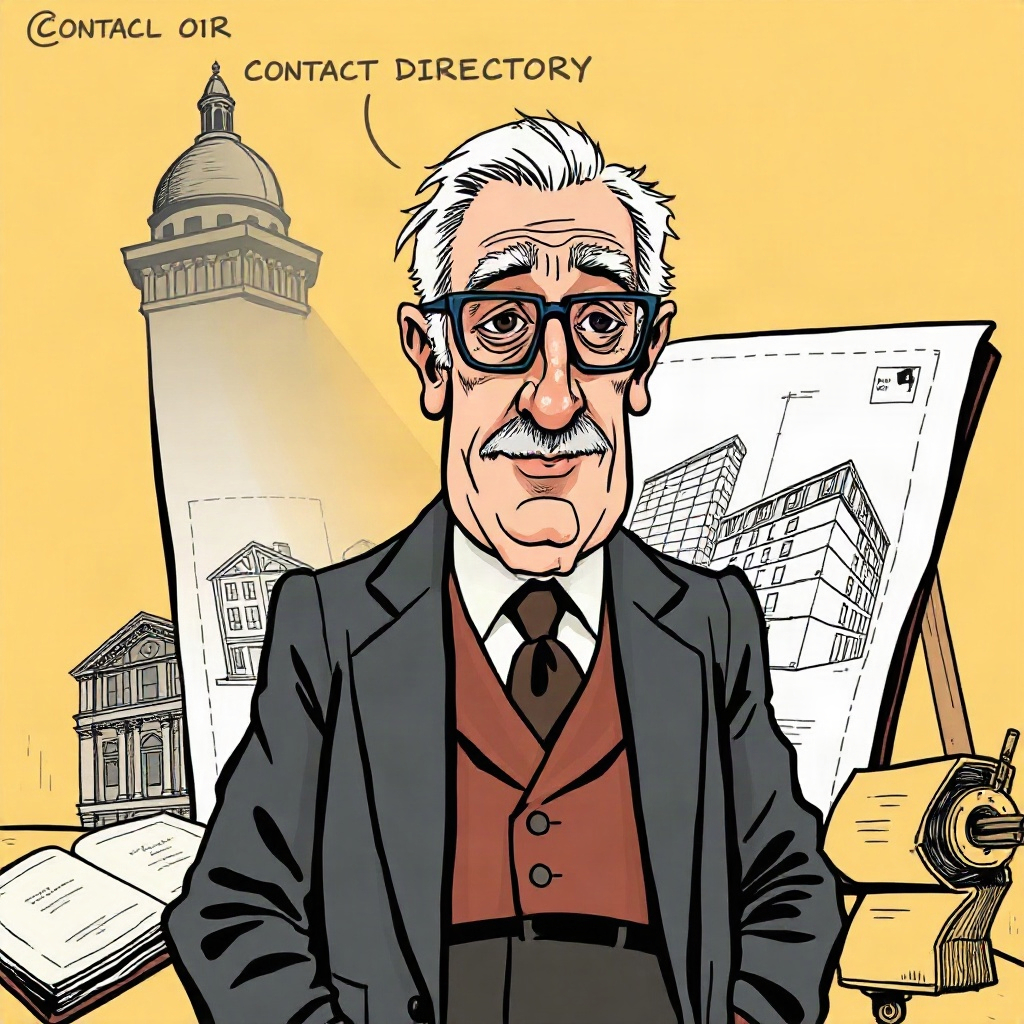
Lord Peter Palumbo · British Property Developer and Life Peer
The expansive social architecture constructed by Jeffrey Epstein was meticulously assembled to bridge the corridors of Wall Street finance, international politics, and traditional European aristocracy. Among the numerous British peers, cultural patrons, and high-society fixtures whose contact information was captured within Epstein’s personal archives is Peter Garth Palumbo, Baron Palumbo. As a real estate developer, former chairman of the Arts Council of Great Britain, and life peer in the House of Lords, Palumbo moved within elite circles that intersected frequently with the transatlantic network curated by Epstein and his longtime associate Ghislaine Maxwell. An examination of public court filings, seized personal directories, and investigative archives details the documentary footprint linking the prominent British patron to the disgraced financier, while underscoring the vital legal distinction between social proximity and criminal complicity.
Born into commercial prominence through his father’s real estate holdings, Peter Palumbo established himself as one of Britain’s most visible architectural patrons and developers during the latter half of the twentieth century. Commissioning landmark modernist structures, Palumbo famously championed the controversial Mies van der Rohe project for Mansion House Square in the City of London, later realizing James Stirling’s No 1 Poultry on the site. His passion for 20th-century architecture extended across the Atlantic, where he acquired and preserved canonical residences including Mies van der Rohe’s Farnsworth House in Illinois and Frank Lloyd Wright’s Kentuck Knob in Pennsylvania. In 1989, Prime Minister Margaret Thatcher appointed him Chairman of the Arts Council of Great Britain, a post he held until 1994, and in 1991, he was elevated to the peerage as Baron Palumbo of Walbrook. This fusion of architectural stewardship, personal wealth, and political patronage made him a central figure in London’s cultural establishment.
Palumbo’s presence within the documentary trail surrounding Jeffrey Epstein emerged through the financier’s private contact directories, popularly designated as the "little black book." The directory, maintained by Epstein’s personal household staff and later seized by the Federal Bureau of Investigation following an attempt by former Palm Beach estate manager Alfredo Rodriguez to shop the document in 2009, contained entries for hundreds of prominent global figures. Within these records, Lord Palumbo is listed with multiple contact coordinates, including residential and office telephone numbers in London, as well as fax lines. The inclusion of Palumbo’s details demonstrates that he was cataloged within Epstein’s working network during the late 1990s and early 2000s, an era when Epstein was systematically aggregating telephone numbers and addresses of high-net-worth individuals, royalty, and cultural leaders across the United Kingdom.
Related articles
Jeffrey Epstein and Thorbjørn Jagland
Investigative report examining the diplomatic meetings between Jeffrey Epstein and former Norwegian Prime Minister Thorbjørn Jagland in 2013.
Read article →

Jeffrey Epstein and Terje Rød-Larsen
Investigative review of Norwegian diplomat Terje Rød-Larsen's ties to Jeffrey Epstein, detailing secret loans, institutional funding, and his resignation.
Read article →

Jeffrey Epstein and Mona Juul
Investigative report examining Norwegian diplomat Mona Juul's documented social ties to Jeffrey Epstein through her husband, Terje Rød-Larsen.
Read article →

Jeffrey Epstein and Andrés Pastrana
Investigative examination of former Colombian President Andrés Pastrana's documented flights on Jeffrey Epstein's aircraft and related unsealed records.
Read article →