Jeffrey Epstein &
Lord Anthony Lyttelton, 2nd Viscount Chandos
British peer and financier
Key Facts
October 23, 1920 – April 28, 1980
Life Dates of 2nd Viscount
Debrett’s Peerage and Baronetage
Zero recorded flights or log entries
Epstein Flight Manifest Presence
U.S. v. Ghislaine Maxwell Pilot Flight Logs
None established in public or court records
Documented Personal Contact
SDNY Criminal and Civil Exhibits
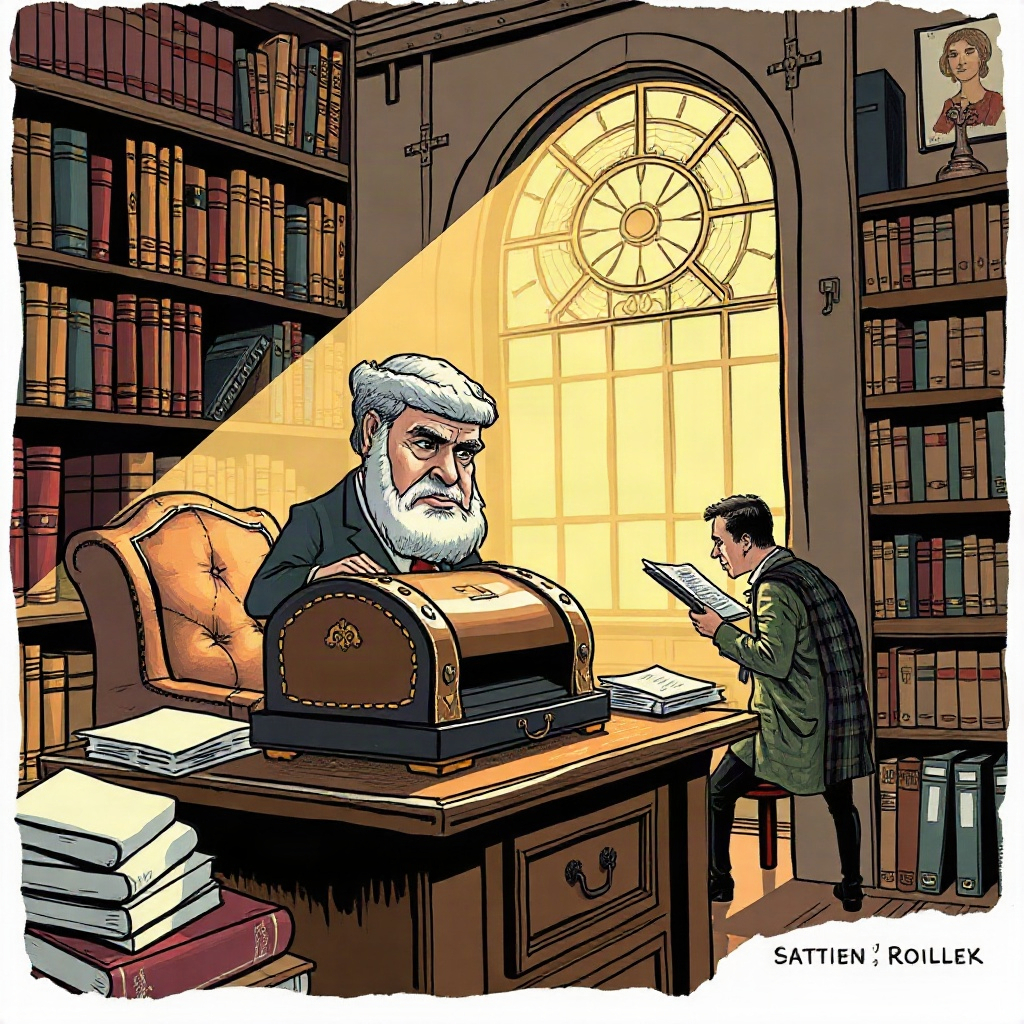
Lord Anthony Lyttelton, 2nd Viscount Chandos · British peer and financier
The comprehensive release of Jeffrey Epstein’s private contact ledgers, flight manifests, and unsealed court documents has prompted years of exhaustive forensic analysis by journalists, legal scholars, and government investigators. Within the sprawling dossiers compiled by the late financier, hundreds of names from transatlantic politics, Wall Street finance, and European royalty appear alongside one another. Among the entries and familial names associated with the British peerage that have surfaced in archival inquiries is that of the Lyttelton family, specifically referencing Lord Anthony Lyttelton, the 2nd Viscount Chandos. An examination of the public record, chronological timelines, and available documentary evidence reveals critical context, separating factual associations from administrative artifacts and legacy rolodex entries.
To understand how the name entered discussions surrounding the Epstein network, one must examine the biographical profile of Anthony Alfred Lyttelton, the 2nd Viscount Chandos. Born in October 1920, Lyttelton was an establishment figure in post-war Britain, belonging to an aristocratic dynasty steeped in public service, military command, and City of London finance. His father, Oliver Lyttelton, the 1st Viscount Chandos, was a pivotal member of Winston Churchill’s wartime coalition cabinet, serving as Minister of Production and later as Colonial Secretary before leading major industrial conglomerates. Anthony Lyttelton followed a traditional aristocratic trajectory, educated at Eton and Trinity College, Cambridge, serving on the General Staff during the Second World War, and subsequently working as a financier and merchant banker. However, any biographical assessment immediately surfaces a definitive chronological boundary: the 2nd Viscount Chandos died in April 1980 at the age of fifty-nine.
The date of Lord Anthony Lyttelton’s death is of paramount investigative significance. In April 1980, Jeffrey Epstein was twenty-seven years old, working as an unestablished junior options trader at Bear Stearns in New York after departing his mathematics teaching post at the Dalton School in 1976. Epstein had not yet established his private financial consultancy, had not acquired his Palm Beach or Manhattan properties, and had not met Ghislaine Maxwell, through whom his entry into British high society would eventually be orchestrated during the early 1990s. The timeline demonstrates that an active, contemporary association between Epstein and the 2nd Viscount Chandos during the decades of Epstein’s documented criminal operations was a chronological impossibility.
Related articles
Jeffrey Epstein and Prince Andrew, Duke of York
An investigative record of Prince Andrew's ties to Jeffrey Epstein, examining flight logs, Virginia Giuffre's allegations, and the royal fallout.
Read article →
Jeffrey Epstein and Sarah Ferguson, Duchess of York
Investigative overview of Sarah Ferguson's ties to Jeffrey Epstein, detailing financial transactions, public admissions, and unsealed records.
Read article →
Jeffrey Epstein and Princess Beatrice of York
Investigative report examining Princess Beatrice of York's documented connections to Jeffrey Epstein through Prince Andrew's social and royal circle.
Read article →
Jeffrey Epstein and Princess Eugenie of York
An investigative review of public records, court filings, and royal finances detailing Princess Eugenie's proximity to Jeffrey Epstein's network.
Read article →