Jeffrey Epstein &
Jonathan Aitken
Former UK Cabinet Minister
Key Facts
Listed in Epstein's personal contact directory ('Black Book')
Record Status
Epstein Black Book Exhibits
No documented flights on Epstein's private aircraft
Flight Manifests
SDNY Flight Manifest Exhibits
No criminal or civil allegations regarding Epstein's abuse network
Legal Allegations
Giuffre v. Maxwell Records
Former UK Cabinet Minister and Minister for Defence Procurement
Government Roles
UK Parliamentary Records
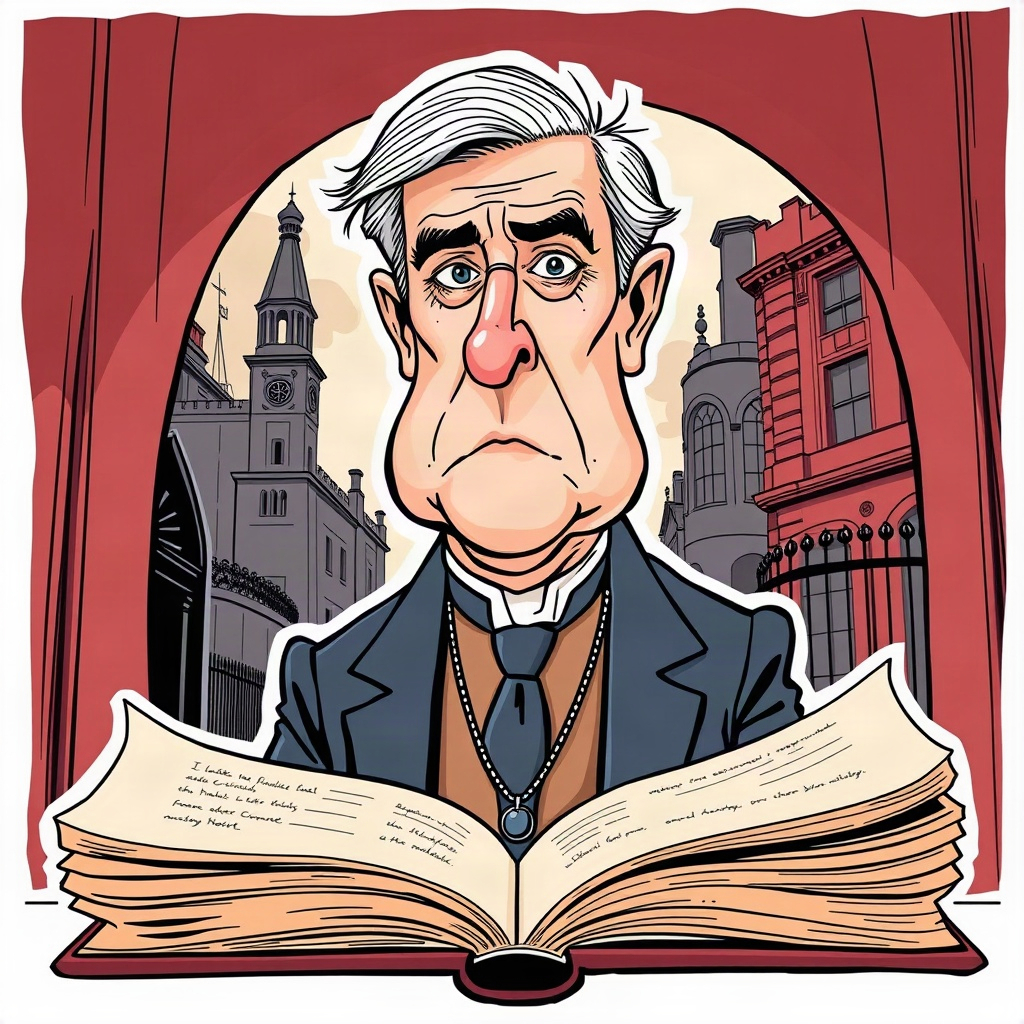
Jonathan Aitken · Former UK Cabinet Minister
In the exhaustive forensic analysis of Jeffrey Epstein’s personal archives, investigators and journalists have frequently confronted a recurring phenomenon: the systematic cataloging of political and social elites whose connections to the disgraced financier range from deep complicity to passive entries in a sprawling address book. Among the high-profile British figures recorded within Epstein’s records is Jonathan Aitken, a former Conservative Cabinet minister whose own life had already served as a modern parable of political power, scandal, and judicial reckoning. The presence of Aitken’s name and contact information in Epstein’s Rolodex provides a revealing lens into how Epstein and his longtime associate Ghislaine Maxwell mapped the British establishment, targeting individuals who had occupied the highest echelons of government, defense procurement, and transatlantic society.
To understand the significance of Aitken’s inclusion in Epstein’s orbit, one must examine Aitken’s standing in British public life during the decades when Epstein was aggressively building his network. A prominent Member of Parliament for Thanet from 1974 to 1997, Aitken rose to national prominence within the Conservative Party under Prime Minister John Major. Between 1992 and 1994, Aitken served as Minister of State for Defence Procurement, a sensitive post that placed him at the center of international weapons sales, intelligence briefings, and high-level foreign relations, particularly in the Middle East. He subsequently ascended to the Cabinet as Chief Secretary to the Treasury. However, his political career suffered a catastrophic collapse in the late 1990s. Following investigative reports by The Guardian and Granada Television concerning his dealings with Saudi business figures and an unpaid bill at the Ritz Hotel in Paris, Aitken initiated a disastrous libel action, famously promising to wield the sword of truth. When documentary evidence exposed that he had lied under oath, Aitken was forced to abandon his suit, ultimately pleading guilty to perjury and perverting the course of justice in 1999, for which he served seven months of an eighteen-month prison sentence.
Related articles

Jeffrey Epstein and Thorbjørn Jagland
Investigative report examining the diplomatic meetings between Jeffrey Epstein and former Norwegian Prime Minister Thorbjørn Jagland in 2013.
Read article →
Jeffrey Epstein and Terje Rød-Larsen
Investigative review of Norwegian diplomat Terje Rød-Larsen's ties to Jeffrey Epstein, detailing secret loans, institutional funding, and his resignation.
Read article →

Jeffrey Epstein and Mona Juul
Investigative report examining Norwegian diplomat Mona Juul's documented social ties to Jeffrey Epstein through her husband, Terje Rød-Larsen.
Read article →

Jeffrey Epstein and Andrés Pastrana
Investigative examination of former Colombian President Andrés Pastrana's documented flights on Jeffrey Epstein's aircraft and related unsealed records.
Read article →