Key Facts
UN Deputy Secretary-General (2012–2016) and Swedish Foreign Minister (2006)
Diplomatic Office
United Nations Official Records
Official administrative contact entry in Epstein's address book
Documentary Presence
Epstein Address Book Records
Zero recorded appearances on Epstein flight manifests
Flight Log Status
FAA Flight Logs & Court Exhibits
Never accused of wrongdoing or named in criminal or civil filings
Legal Status
SDNY Case Records
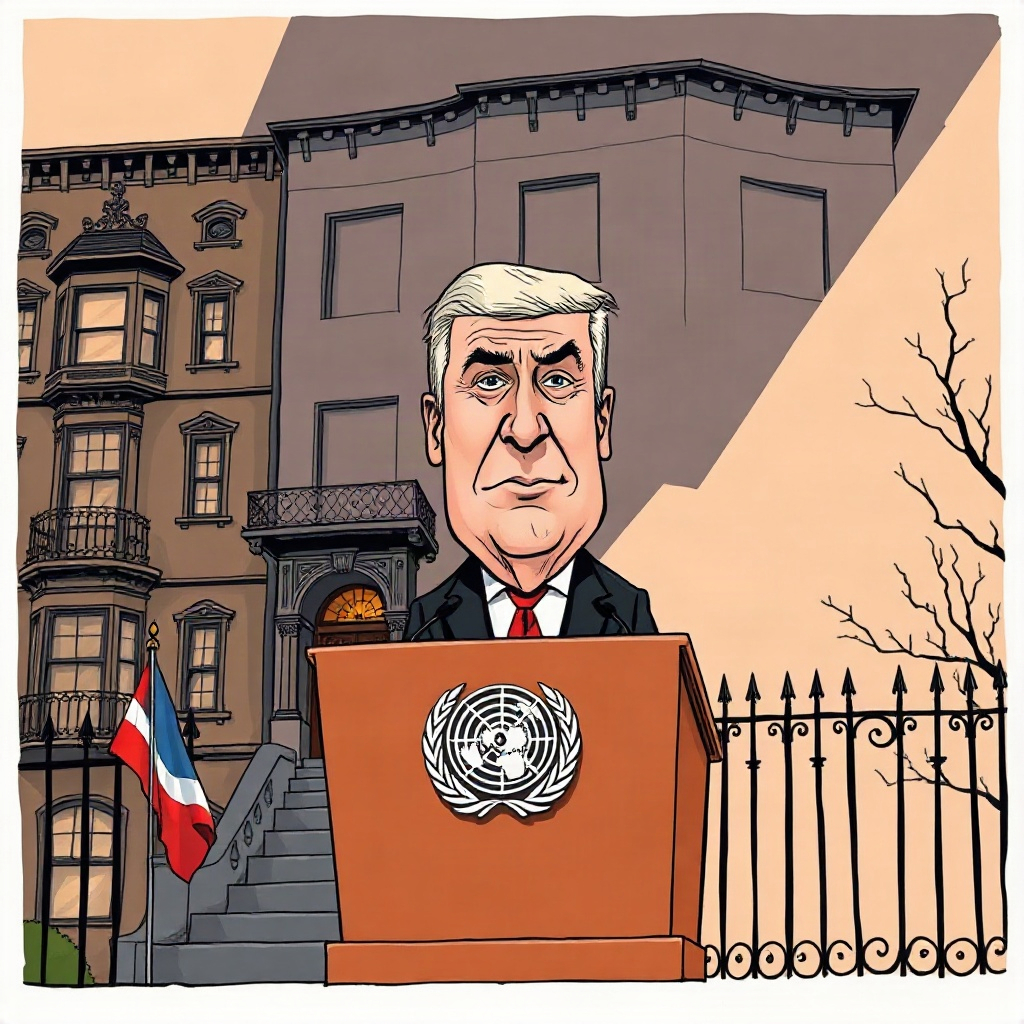
Jan Eliasson · Former UN Deputy Secretary-General
The expansive web of political, financial, and diplomatic figures surrounding convicted sex offender Jeffrey Epstein has prompted years of scrutiny by journalists and investigators worldwide. Among the names appearing within contact records and international policy circles linked to Epstein’s orbit is Jan Eliasson, one of Sweden’s most prominent modern diplomats. Eliasson, whose career includes tenures as President of the United Nations General Assembly, Swedish Minister for Foreign Affairs, and Deputy Secretary-General of the United Nations, represents the echelon of high-level multilateral diplomacy that Epstein systematically sought to cultivate. An examination of public records, investigative reports, and contemporaneous correspondence illustrates how Epstein leveraged connections to global governance institutions, even as formal evidence linking Eliasson directly to Epstein's personal activities remains limited.
Born in Gothenburg, Sweden, Jan Eliasson built a decades-long career as a premier international mediator and diplomat. Between 2005 and 2006, he served as President of the 60th session of the United Nations General Assembly, followed by a brief appointment as Sweden’s Foreign Minister. Later, from 2012 to 2016, he served under Secretary-General Ban Ki-moon as the Deputy Secretary-General of the United Nations. Throughout this period, Eliasson was a fixture in New York’s international diplomatic community, moving through the very elite policy salons, humanitarian galas, and think tanks where Epstein maintained a persistent, well-funded presence. Epstein routinely pursued relationships with high-ranking diplomats to legitimize his reputation and position himself as an informal geopolitical broker, a pattern extensively documented following his 2019 arrest.
The nexus between Epstein and Scandinavian diplomatic figures came under intense public scrutiny following the unsealing of various records and subsequent reporting by European and American news outlets. A central vector of Epstein’s entry into elite United Nations circles was Norwegian diplomat Terje Rød-Larsen, former president of the International Peace Institute, a prestigious Manhattan-based think tank. The International Peace Institute had received significant financial contributions from Epstein’s charitable entities, and Rød-Larsen’s personal and financial ties to Epstein eventually prompted Rød-Larsen’s resignation in October 2020. Given Eliasson’s prominence within the United Nations hierarchy during the height of the International Peace Institute’s prominence in Manhattan, Swedish media outlets conducted extensive reviews of Swedish leaders and diplomats whose names surfaced in Epstein’s Rolodexes or related social circles.
Related articles

Jeffrey Epstein and Thorbjørn Jagland
Investigative report examining the diplomatic meetings between Jeffrey Epstein and former Norwegian Prime Minister Thorbjørn Jagland in 2013.
Read article →
Jeffrey Epstein and Terje Rød-Larsen
Investigative review of Norwegian diplomat Terje Rød-Larsen's ties to Jeffrey Epstein, detailing secret loans, institutional funding, and his resignation.
Read article →

Jeffrey Epstein and Mona Juul
Investigative report examining Norwegian diplomat Mona Juul's documented social ties to Jeffrey Epstein through her husband, Terje Rød-Larsen.
Read article →

Jeffrey Epstein and Andrés Pastrana
Investigative examination of former Colombian President Andrés Pastrana's documented flights on Jeffrey Epstein's aircraft and related unsealed records.
Read article →