Jeffrey Epstein &
Jamie Dimon
Chairman and CEO, JPMorgan Chase
Key Facts
15 years (1998–2013)
Duration of Banking Relationship
Senate Finance Committee Staff Memorandum
$290 million
Jane Doe Victim Class Settlement
U.S. District Court for the Southern District of New York
$75 million
U.S. Virgin Islands Settlement
Government of the U.S. Virgin Islands
At least $25 million, including a single $19 million payment
Epstein Transfers to Ghislaine Maxwell at JPMC
Senate Finance Committee Staff Memorandum
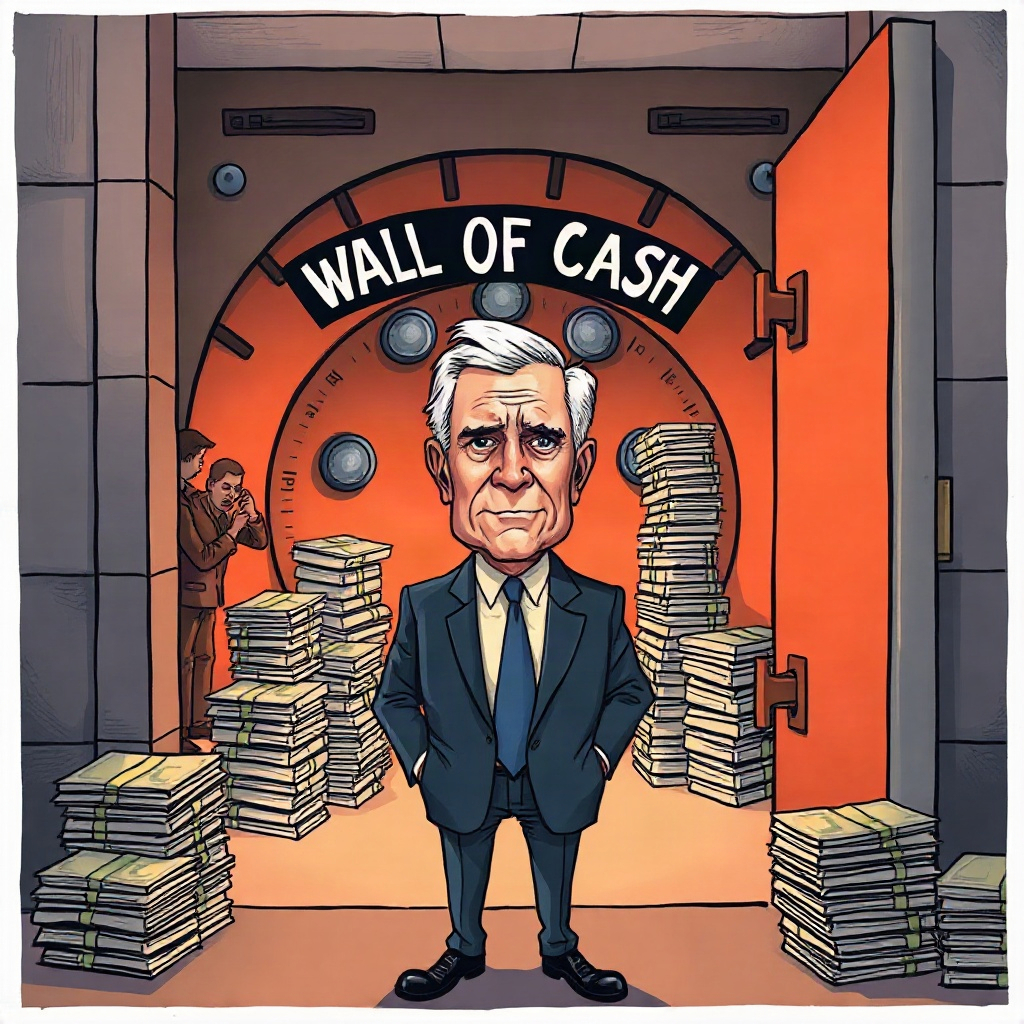
Jamie Dimon · Chairman and CEO, JPMorgan Chase
For nearly two decades, Jamie Dimon has served as the Chairman and Chief Executive Officer of JPMorgan Chase, standing as the undisputed dean of Wall Street. Under his tenure, the institution weathered the 2008 financial crisis, absorbed failing rivals, and grew into the largest bank in the United States. Yet between 1998 and 2013, the bank also served as the primary financial conduit for convicted sex offender Jeffrey Epstein. The intersection between Epstein's illicit enterprise and Dimon's executive suite became the subject of intense federal litigation, sworn depositions, and ongoing congressional scrutiny, raising fundamental questions about institutional negligence and executive oversight.
The public record regarding Dimon's personal knowledge of Epstein rests heavily on a landmark sworn deposition conducted in May 2023. Under questioning from attorneys representing Epstein victims and the Government of the U.S. Virgin Islands, Dimon stated under oath that he had never met Epstein, never spoke with him, and did not recall ever hearing Epstein's name or learning about his sex crimes until his federal arrest in July 2019. Dimon characterized Epstein as an account managed far below his executive purview, arguing that a chief executive overseeing more than 250,000 employees and millions of clients could not reasonably be expected to monitor individual private wealth relationships.
However, investigative records unsealed in federal court and detailed in congressional reports paint a more complicated picture of executive proximity. Epstein was not an ordinary client. According to findings published by the Senate Finance Committee under Ranking Member Ron Wyden, Epstein was recognized internally as one of the bank's most lucrative individual accounts, categorized as part of an elite tier referred to within the private bank as the Wall of Cash. Between dozens of personal and corporate entities, Epstein maintained balances running into hundreds of millions of dollars and frequently steered other ultra-high-net-worth clients toward the institution, cementing his stature among senior management.
Critical to the investigation was the role played by Dimon's direct subordinates. High-ranking members of Dimon's inner circle, most notably Mary Erdoes, the longtime chief of Asset and Wealth Management, and Jes Staley, the former head of the investment bank, maintained recurring, direct contact with Epstein. Court documents show that Erdoes visited Epstein's Manhattan townhouse and exchanged frequent correspondence with him long after Epstein's 2008 Florida conviction for soliciting prostitution from a minor. While Dimon testified that he had no recollection of discussing Epstein with Staley or Erdoes during this period, internal bank emails revealed that risk and compliance managers repeatedly raised alarms regarding Epstein's massive cash withdrawals and payments to third-party females.
Related articles
Jeffrey Epstein and Justin Nelson
Investigative review of Justin Nelson's appearance in Jeffrey Epstein's records, address book entries, and subsequent public document unsealings.
Read article →

Jeffrey Epstein and Mary Erdoes
Investigative review of JPMorgan executive Mary Erdoes, her oversight of Jeffrey Epstein's accounts, and disclosures from the 2023 bank litigation.
Read article →
Jeffrey Epstein and Christian Sewing
Investigative report examining Deutsche Bank CEO Christian Sewing, regulatory oversight, and the institution's relationship with Jeffrey Epstein.
Read article →

Jeffrey Epstein and Paul Hunter
Investigative review of director Paul Hunter's listing in Jeffrey Epstein's address book and the documented facts surrounding their alleged ties.
Read article →