Jeffrey Epstein &
Gerald Grosvenor, 6th Duke of Westminster
British Aristocrat and Billionaire Landowner
Key Facts
Gerald Cavendish Grosvenor, 6th Duke of Westminster, head of the Grosvenor property empire
Title & Role
The Telegraph Obituary (2016)
Administrative and office phone numbers within Epstein's personal address book
Nature of Contact Listing
Epstein Address Book Production (2019)
Zero appearances on known flight logs for Epstein's private aircraft
Flight Manifest Status
Rodgers/Visoski Flight Logs (2021)
None documented in any civil or criminal filings
Allegations of Misconduct
Giuffre v. Maxwell Filings (2024)
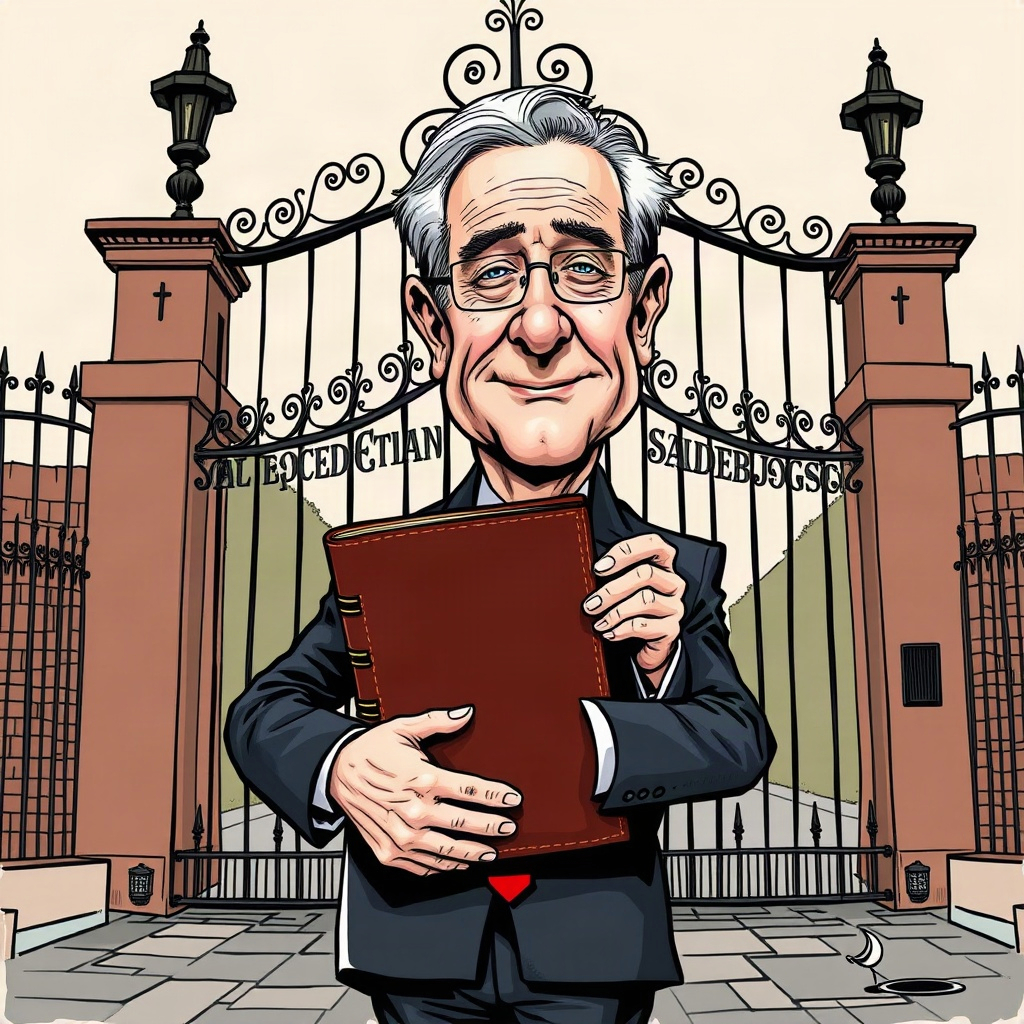
Gerald Grosvenor, 6th Duke of Westminster · British Aristocrat and Billionaire Landowner
The public disclosure of Jeffrey Epstein’s personal address books and associated records revealed an extensive catalog of international political leaders, corporate titans, and hereditary nobility. Among the prominent British aristocratic figures identified within Epstein’s primary contact register was Gerald Cavendish Grosvenor, the 6th Duke of Westminster. Grosvenor, who passed away in August 2016, was widely recognized as one of the wealthiest landowners in the United Kingdom, overseeing the centuries-old Grosvenor Estate, which encompassed vast sections of London’s prime Mayfair and Belgravia districts. The presence of the Duke of Westminster within Epstein's files raised persistent questions among investigative reporters regarding the extent, origin, and nature of the relationship between the American financier and Britain’s landed aristocracy.
Epstein’s contact register, widely referred to in public reporting as his black book, was originally secured by authorities and public interest researchers following investigations by the Palm Beach Police Department and federal law enforcement. The book contained hundreds of entries meticulously cataloging personal phone numbers, secondary residences, and executive offices of high-profile global figures. Within these records, an entry dedicated to the Duke of Westminster listed office telephone coordinates and administrative contacts associated with his London operations and his principal family seat at Eaton Hall in Cheshire. Unlike entries featuring private direct lines or handwritten personal annotations, the contact listing for Grosvenor reflected institutional and secretarial channels, a distinction often scrutinized by researchers assessing the genuine depth of Epstein’s social reach.
To understand how an aristocratic landowner entered Epstein’s sphere, investigative journalists have frequently examined the social architecture built by Ghislaine Maxwell. As the daughter of British media magnate Robert Maxwell, Ghislaine moved comfortably through elite British social circles, providing Epstein with direct access to high-society events, charity galas, and royal networks that would otherwise have remained inaccessible to a Brooklyn-born financial manager. During the late 1990s and early 2000s, Epstein and Maxwell aggressively pursued introductions to figures central to the British establishment. Gerald Grosvenor operated at the apex of that establishment, serving in senior military reserve roles, directing multi-billion-pound philanthropic initiatives, and maintaining personal ties to the British royal family, including serving as a godfather to Prince William.
Related articles
Jeffrey Epstein and Prince Andrew, Duke of York
An investigative record of Prince Andrew's ties to Jeffrey Epstein, examining flight logs, Virginia Giuffre's allegations, and the royal fallout.
Read article →
Jeffrey Epstein and Sarah Ferguson, Duchess of York
Investigative overview of Sarah Ferguson's ties to Jeffrey Epstein, detailing financial transactions, public admissions, and unsealed records.
Read article →
Jeffrey Epstein and Princess Beatrice of York
Investigative report examining Princess Beatrice of York's documented connections to Jeffrey Epstein through Prince Andrew's social and royal circle.
Read article →
Jeffrey Epstein and Princess Eugenie of York
An investigative review of public records, court filings, and royal finances detailing Princess Eugenie's proximity to Jeffrey Epstein's network.
Read article →