Key Facts
Woodford L. and Ann A. Flowers University Professor at Harvard University
Academic Status
Harvard University Faculty Directory
No direct laboratory funding or personal research grants received from Epstein
Documented Funding
Harvard University Report (May 2020)
Listed with Cambridge academic contact information in Epstein's personal address book
Directory Listing
Epstein Contact Directory
Exonerated of misconduct; not found to have facilitated Epstein's post-2008 campus access
Institutional Findings
Harvard University Report (May 2020)
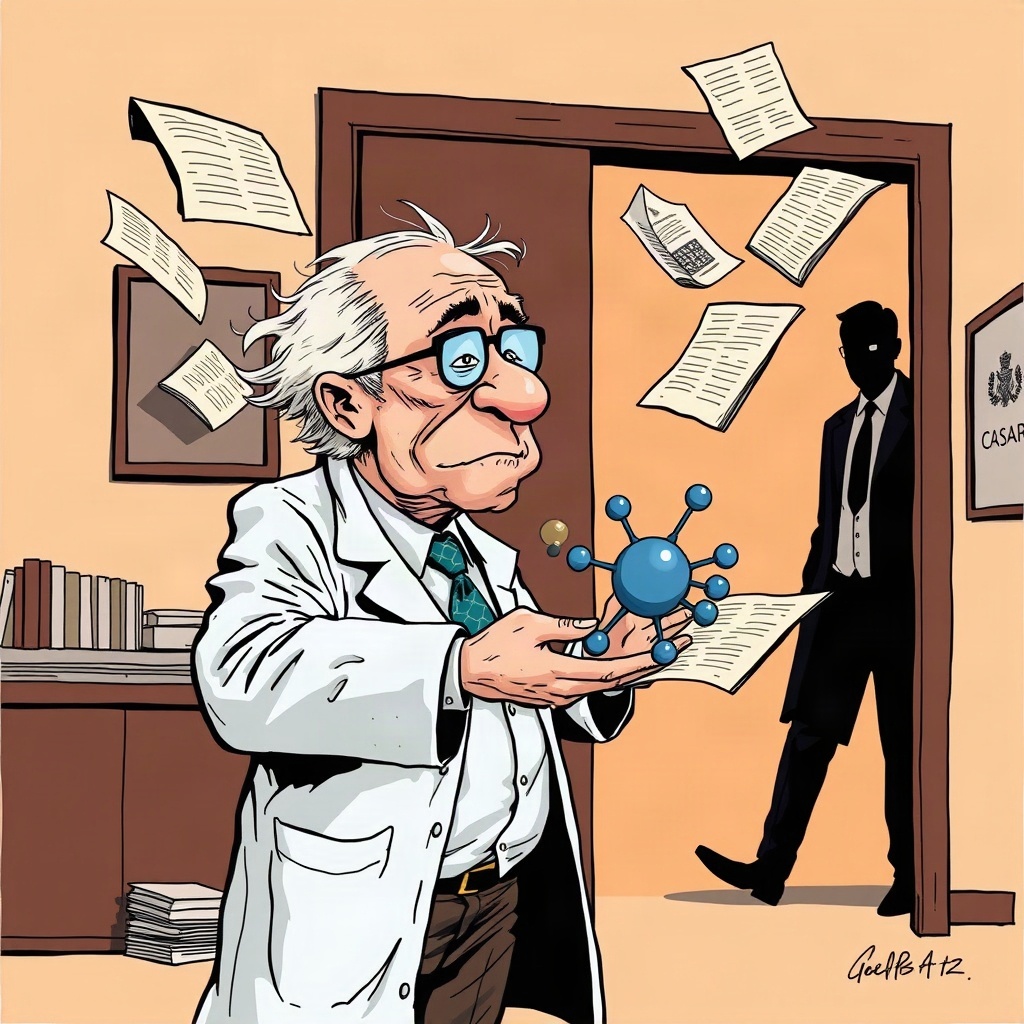
George M. Whitesides · Professor of Chemistry, Harvard University
In the extensive web of elite academic figures cultivated by Jeffrey Epstein, Harvard University served as a primary nexus. Among the world-renowned scientists whose names surfaced in connection with the disgraced financier was George M. Whitesides, the Woodford L. and Ann A. Flowers University Professor in Harvard’s Department of Chemistry and Chemical Biology. Whitesides, one of the most prolific and highly cited chemists in modern history, pioneered advancements in microfluidics, nanotechnology, self-assembly, and materials science. Unlike several other Harvard researchers who accepted substantial direct funding or facilitated Epstein's physical presence on campus after his 2008 conviction, Whitesides occupied a peripheral position in Epstein's orbit, exemplifying Epstein's broader pattern of systematically cataloging and approaching high-profile intellectual figures to burnish his own social and intellectual standing.
Epstein’s concerted campaign to infiltrate elite scientific circles began in earnest during the late 1990s and accelerated through the mid-2000s. Operating through philanthropic vehicles such as the Jeffrey Epstein VI Foundation and the COUQ Foundation, Epstein systematically sought audiences with leading researchers at Harvard, the Massachusetts Institute of Technology, and the Institute for Advanced Study. He positioned himself not merely as an eccentric prospective benefactor, but as an amateur intellectual fascinated by the frontiers of evolutionary dynamics, quantum mechanics, and the origins of life. Archival records and investigative disclosures reveal that Epstein routinely compiled personal dossiers and contact directories listing prominent academics whom he sought to engage, schedule meetings with, or solicit for private salon discussions.
Public interest into Whitesides’ intersection with Epstein emerged following Epstein’s July 2019 arrest on federal sex trafficking charges by the U.S. Attorney’s Office for the Southern District of New York. In the wake of the unsealing of federal documents and the wider dissemination of Epstein’s personal address directory, colloquially dubbed the black book, Whitesides’ institutional contact information was identified alongside scores of other Harvard faculty members. The inclusion of an individual in Epstein's personal directory did not by itself demonstrate complicity or personal intimacy, as the directory encompassed thousands of business leaders, politicians, socialites, and academics whose professional contact details had been collected by Epstein or his administrative assistants over decades of aggressive networking.
Related articles
Jeffrey Epstein and Ethan Zuckerman
Investigative report on Ethan Zuckerman's principled resignation from the MIT Media Lab following revelations of Jeffrey Epstein's covert funding.
Read article →
Jeffrey Epstein and Signe Swenson
Investigative profile of Signe Swenson, her documented interactions with Jeffrey Epstein in Palm Beach, and her role in public records and exposés.
Read article →
Jeffrey Epstein and Peter Cohen
Investigative report examining the documented links and address book ties between Jeffrey Epstein and former Shearson Lehman CEO Peter Cohen.
Read article →
Jeffrey Epstein and Nicholas Negroponte
Investigative review of MIT Media Lab co-founder Nicholas Negroponte's ties to Jeffrey Epstein and his defense of donations from the financier.
Read article →