Jeffrey Epstein &
François Léotard
Former French Minister of Defence
Key Facts
Minister of Culture (1986–1988); Minister of Defense (1993–1995)
Official Public Offices
French Government Records
Listed with telephone and address details in Epstein's 97-page contact directory
Documentary Connection
Epstein Address Directory / Gawker (2015)
No recorded flights on any of Epstein's private aircraft
Flight Log Status
SDNY Trial Exhibits / Flight Logs
Never charged, questioned, or implicated in US or French criminal proceedings
Judicial Status
Paris Prosecutor's Office Inquiry (2019)
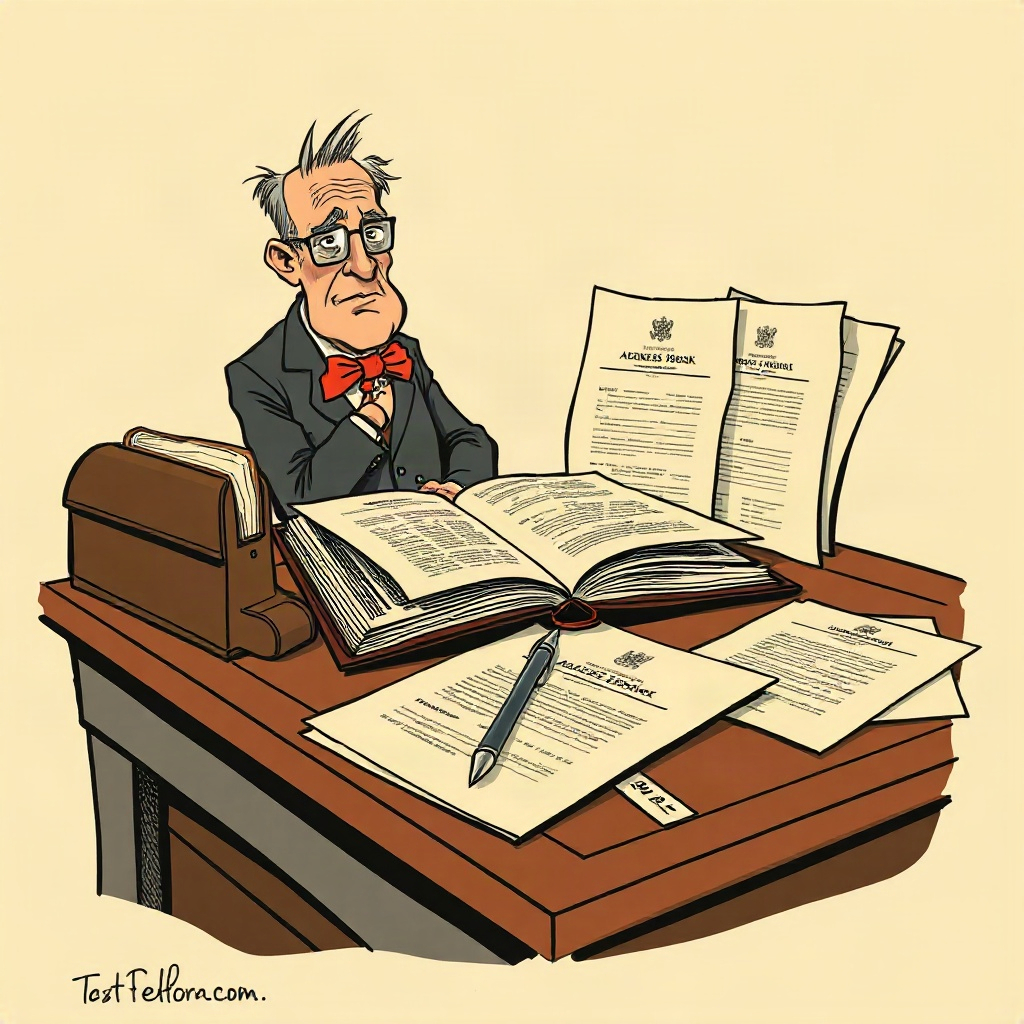
François Léotard · Former French Minister of Defence
The presence of international political elites within Jeffrey Epstein's contact records has long presented investigators, journalists, and legal authorities with complex questions regarding the scope and purpose of the financier's overseas networking. Among the prominent French statesmen whose contact details surfaced in Epstein's confidential records was François Léotard, a central figure in center-right French politics throughout the late twentieth century. Léotard, who served as France's Minister of Culture from 1986 to 1988 and subsequently as Minister of Defense from 1993 to 1995, belonged to a generation of political leaders who shaped France's Fifth Republic during periods of high-stakes domestic and foreign policy shifts. His posthumous connection to Epstein, established through documentary leaks rather than public social outings, offers critical insight into how Epstein mapped out access to the French political establishment.
François Léotard was born into a prominent family in Cannes in 1942, the brother of the celebrated actor and singer Philippe Léotard. Educated at the École Nationale d'Administration, Léotard rose swiftly through the ranks of the Republican Party, an affiliate of the Union for French Democracy. In 1977, he won election as the mayor of Fréjus, a post he maintained for two decades. His elevation to the Ministry of Culture under Jacques Chirac's cohabitation government placed him at the center of French media deregulation, including the landmark privatization of the flagship television network TF1. Later, as Minister of Defense under Prime Minister Édouard Balladur, Léotard oversaw French military involvement in several high-profile international operations, including Operation Turquoise in Rwanda and deployments during the Bosnian War. By the time he withdrew from formal political life in the early 2000s, turning his focus toward literature and diplomatic envoy missions, Léotard was widely viewed as an elder statesman of the French political right.
The documentary tether linking Léotard to Epstein emerged through Epstein's so-called Little Black Book, a bound directory compiled by Epstein's household staff and office assistants that contained over a thousand entries detailing international politicians, royalty, scientists, and corporate magnates. The document originally entered legal channels in Florida around 2005 when Epstein's former house manager, Alfredo Rodriguez, copied the volume and attempted to sell it to plaintiffs' attorneys and investigative authorities during the initial Palm Beach Police Department probe. In January 2015, the directory was published online by investigative journalists at Gawker, revealing unredacted personal telephone numbers, residential addresses, and private contacts for prominent figures across Europe and North America. Within these records, François Léotard's name was documented alongside private French telephone numbers and regional addresses, documenting Epstein's administrative possession of the former minister's direct lines of communication.
Related articles
Jeffrey Epstein and Thorbjørn Jagland
Investigative report examining the diplomatic meetings between Jeffrey Epstein and former Norwegian Prime Minister Thorbjørn Jagland in 2013.
Read article →
Jeffrey Epstein and Terje Rød-Larsen
Investigative review of Norwegian diplomat Terje Rød-Larsen's ties to Jeffrey Epstein, detailing secret loans, institutional funding, and his resignation.
Read article →
Jeffrey Epstein and Mona Juul
Investigative report examining Norwegian diplomat Mona Juul's documented social ties to Jeffrey Epstein through her husband, Terje Rød-Larsen.
Read article →

Jeffrey Epstein and Andrés Pastrana
Investigative examination of former Colombian President Andrés Pastrana's documented flights on Jeffrey Epstein's aircraft and related unsealed records.
Read article →