Jeffrey Epstein &
Florian Henckel von Donnersmarck
German Film Director and Screenwriter
Key Facts
Entry in Jeffrey Epstein's personal address book
Nature of Documented Connection
FBI Evidence Log (2006)
None identified in public logs
Flight Manifest Appearances
SDNY Trial Exhibits (2021)
No criminal or civil allegations recorded
Allegations of Wrongdoing
Giuffre v. Maxwell Court Filings (2024)
Classified as incidental social contact with no evidence of substantive involvement
Investigative Status
SDNY Unsealed Records
Florian Henckel von Donnersmarck · German Film Director and Screenwriter
The investigative files surrounding the late financier Jeffrey Epstein reveal an intricate, decades-long project of social curation. Epstein did not merely seek proximity to political power and financial capital; he systematically pursued figures of cultural, intellectual, and artistic distinction to burnish his public persona. Among the international names preserved in Epstein’s personal records is Florian Henckel von Donnersmarck, the acclaimed German filmmaker and Academy Award-winning director of The Lives of Others. While the filmmaker's contact details appear within Epstein's infamous personal directories, public records, unsealed court dockets, and flight logs demonstrate that his inclusion reflects Epstein’s aggressive habit of collecting prominent names rather than any demonstrated involvement in Epstein’s illicit operations.
Florian Henckel von Donnersmarck rose to international prominence in 2006 upon the release of his directorial debut, The Lives of Others, a gripping exploration of East German state surveillance that secured the Academy Award for Best Foreign Language Film. Descended from a prominent Silesian noble lineage and educated at the University of Oxford and the National Film and Television School, Donnersmarck represented a distinct intersection of aristocratic heritage and elite artistic accomplishment. In the years following his Oscar win, he became a sought-after presence at international cultural galas, transatlantic intellectual salons, and film industry gatherings in both Europe and the United States, directing major studio projects such as The Tourist in 2010 and later the acclaimed drama Never Look Away in 2018.
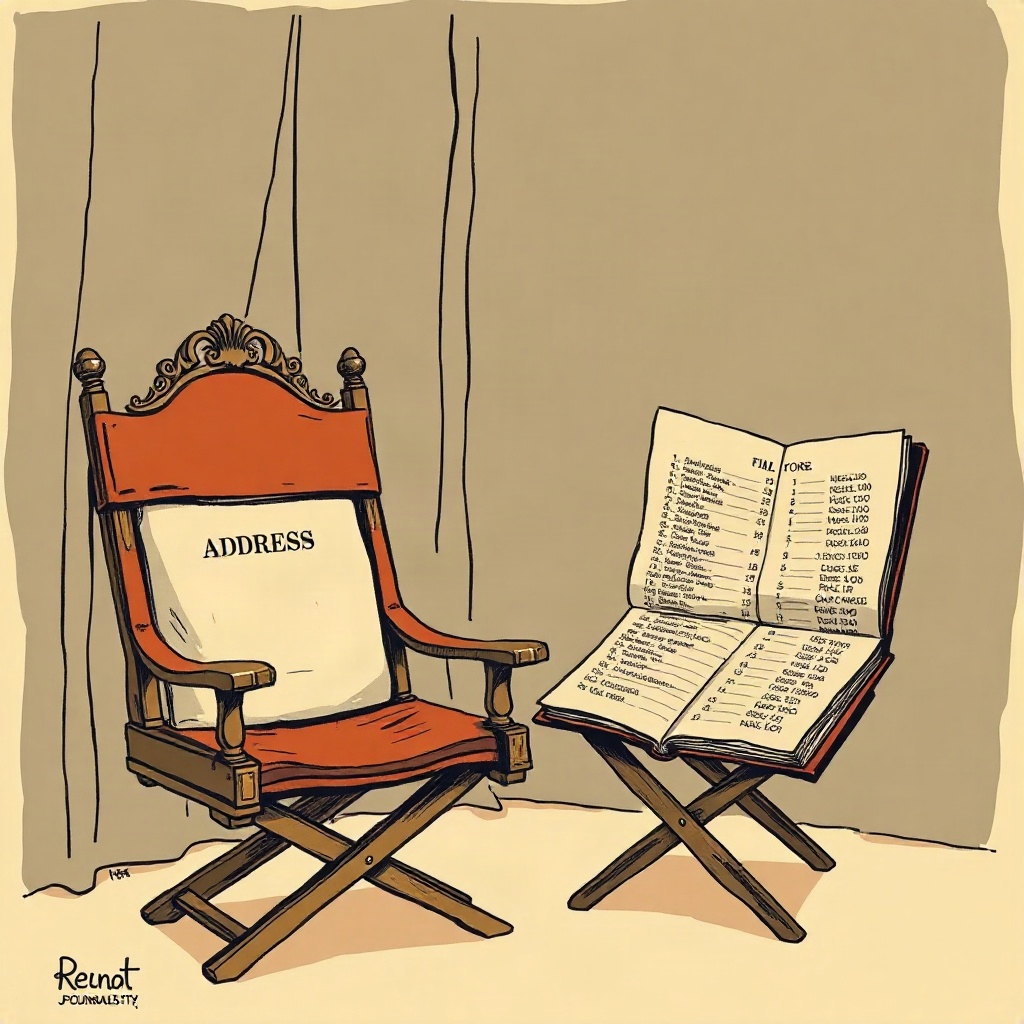
Donnersmarck’s name first entered the public purview regarding Epstein through the so-called Little Black Book, an extensive physical address directory maintained by Epstein and his administrative staff. The document, originally retrieved in 2005 by Alfredo Rodriguez, a former house manager at Epstein’s Palm Beach estate, was subsequently seized by the Federal Bureau of Investigation and entered into the evidentiary record during federal and civil proceedings. Within this directory, Donnersmarck is listed alongside standard contact markers, including personal telephone numbers and international addresses. The entry sits alongside hundreds of other figures from the arts, diplomacy, royalty, and academia, representing a compendium of high-society figures whose contact information Epstein sought to retain.
Related articles
Jeffrey Epstein and Peggy Siegal
Investigative report on publicist Peggy Siegal and her documented role in Jeffrey Epstein's post-conviction social rehabilitation in Manhattan.
Read article →
Jeffrey Epstein and Steve Bing
Investigative review of Hollywood producer Steve Bing's documented appearances in Jeffrey Epstein's flight logs, contact books, and elite networks.
Read article →
Jeffrey Epstein and Jean-Luc Brunel
Investigative dossier detailing modeling agent Jean-Luc Brunel's financial ties to Jeffrey Epstein, sexual abuse allegations, and his 2022 death in custody.
Read article →

Jeffrey Epstein and Linda Fiorentino
An investigative examination of actress Linda Fiorentino's appearance in Jeffrey Epstein's contact records and their documented social intersections.
Read article →