Jeffrey Epstein &
Dennis Ross
US Diplomat and Middle East Envoy
Key Facts
Former U.S. Special Middle East Coordinator under President Bill Clinton
Diplomatic Status
U.S. Department of State
Scheduled policy discussions regarding Middle Eastern geopolitics
Nature of Contact
The Wall Street Journal (2023)
None; no allegations of wrongdoing or awareness of criminal conduct
Criminal Implication
Public Record
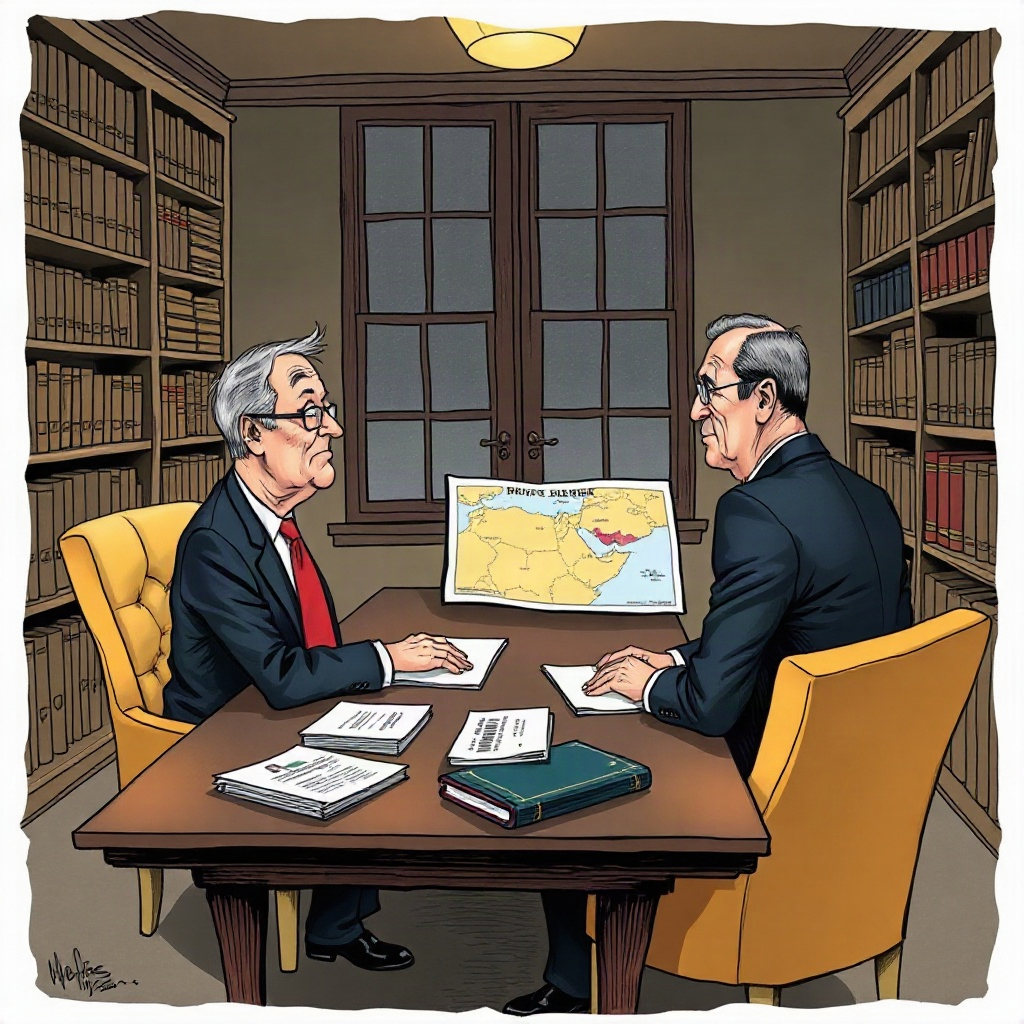
Dennis Ross · US Diplomat and Middle East Envoy
In the decades following his emergence as a shadowy financier with high-level connections, Jeffrey Epstein operated an aggressive and methodical campaign to embed himself within the highest echelons of international statecraft. Among the prominent foreign policy figures whose names appeared in the financier's private records is Ambassador Dennis Ross, one of the most visible American diplomats of the late twentieth and early twenty-first centuries. Ross, a veteran Middle East negotiator who served in key advisory roles under Presidents George H.W. Bush, Bill Clinton, and Barack Obama, crossed paths with Epstein during a period when the disgraced financier was actively using philanthropic donations and geopolitical discussions to rehabilitate his reputation following his 2008 Florida conviction.
Dennis Ross built a formidable reputation over four decades in Washington, serving as Director of Policy Planning under President George H.W. Bush, special Middle East coordinator under President Bill Clinton, and later as a special assistant to President Barack Obama focusing on the Persian Gulf and Southwest Asia. Following his government service, Ross returned to the Washington Institute for Near East Policy, a think tank where he long served as a counselor and fellow. For an operative like Epstein, whose interest in geopolitical affairs bordered on obsession, foreign policy veterans like Ross represented an invaluable currency: intellectual gravitas, access to global strategic dialogues, and the social legitimacy that proximity to seasoned statesmen inherently provided.
Public documentation linking Ross to Epstein surfaced primarily through the publication of Epstein's personal calendar records, contact lists, and subsequent investigative reporting by national media outlets. The earliest trace of Ross in Epstein's orbit appeared in the financier's extensive contact ledgers, commonly referred to as his black book, which contained phone numbers and office contact details for hundreds of political, academic, and cultural figures. However, the depth of their interaction remained largely obscure until April 2023, when The Wall Street Journal published an investigative review of thousands of pages of Epstein’s private schedules and scheduling emails spanning 2013 through 2017. These documents demonstrated that Epstein’s attempts to cultivate Ross went well beyond a static entry in an address ledger.
Related articles

Jeffrey Epstein and Thorbjørn Jagland
Investigative report examining the diplomatic meetings between Jeffrey Epstein and former Norwegian Prime Minister Thorbjørn Jagland in 2013.
Read article →
Jeffrey Epstein and Terje Rød-Larsen
Investigative review of Norwegian diplomat Terje Rød-Larsen's ties to Jeffrey Epstein, detailing secret loans, institutional funding, and his resignation.
Read article →

Jeffrey Epstein and Mona Juul
Investigative report examining Norwegian diplomat Mona Juul's documented social ties to Jeffrey Epstein through her husband, Terje Rød-Larsen.
Read article →

Jeffrey Epstein and Andrés Pastrana
Investigative examination of former Colombian President Andrés Pastrana's documented flights on Jeffrey Epstein's aircraft and related unsealed records.
Read article →