Jeffrey Epstein &
David Armstrong-Jones, 2nd Earl of Snowdon
British Peer and Furniture Designer
Key Facts
Son of Princess Margaret and nephew of Queen Elizabeth II
Royal Pedigree
Official Royal Lineage Records
Listed as 'Viscount Linley' in Epstein's address book with London contact numbers
Directory Entry
Epstein Contact Ledger Exhibit
Zero recorded flights on Epstein's private aircraft manifests
Flight Log Status
S.D.N.Y. Trial Exhibits (Visoski and Rodgers logs)
Never accused, deposed, or named as a co-conspirator in any criminal or civil proceedings
Legal Status
S.D.N.Y. Case Records
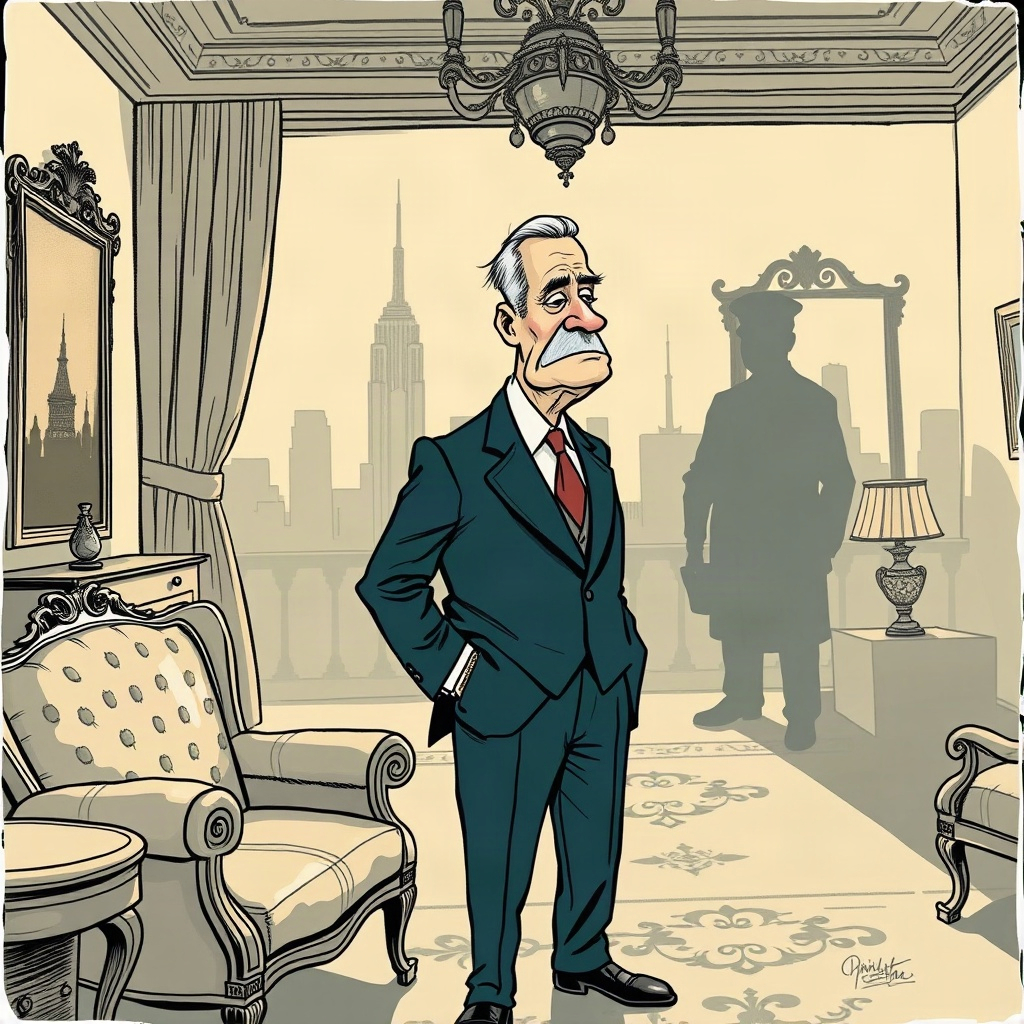
David Armstrong-Jones, 2nd Earl of Snowdon · British Peer and Furniture Designer
The exhaustive archival examination of Jeffrey Epstein’s international social network has continually scrutinized the American financier’s concerted efforts to embed himself within the British royal family and high society. Among the titled figures documented within Epstein’s peripheral orbit is David Armstrong-Jones, the 2nd Earl of Snowdon, widely known for decades by his courtesy title, Viscount Linley. As the son of Princess Margaret and Antony Armstrong-Jones, and the first cousin of King Charles III, Lord Snowdon occupied a distinct position bridging royal pageantry and London’s commercial luxury design sphere. His emergence within the documentary fallout of the Epstein investigations illustrates the breadth of Epstein’s social ledger, while simultaneously presenting a case study in distinguishing between systemic association and mere rolodex proximity.
David Armstrong-Jones forged a commercial career distinct from routine royal patronage, establishing himself as a bespoke furniture craftsman and founding his eponymous luxury design firm, Linley, in the mid-1980s. His profile within the transatlantic elite expanded significantly in 2006 when he assumed the chairmanship of Christie’s UK, later serving as honorary chairman for Christie’s across Europe, the Middle East, Russia, and India. This professional background positioned him precisely at the nexus of heritage aristocracy, international fine art dealing, and high-net-worth patronage. It was precisely this nexus that Jeffrey Epstein and his longtime associate Ghislaine Maxwell spent decades cultivating across London, New York, and Paris.
The primary public record linking the Earl of Snowdon to Epstein is the financier’s personal contact directory, universally known in investigative reporting as the Little Black Book. Compiled across the late 1990s and early 2000s and maintained by Epstein’s administrative assistants, the document was seized during federal and local investigations before entering the public domain through investigative publishing and later as an unsealed evidentiary exhibit in federal court. Within this directory, Armstrong-Jones appears under his former title, Viscount Linley, accompanied by residential and commercial telephone contact numbers in London. The directory functioned as an operational master index for Epstein’s transatlantic engagements, logging hundreds of political figures, philanthropists, fashion executives, and members of royalty.
Related articles
Jeffrey Epstein and Prince Andrew, Duke of York
An investigative record of Prince Andrew's ties to Jeffrey Epstein, examining flight logs, Virginia Giuffre's allegations, and the royal fallout.
Read article →
Jeffrey Epstein and Sarah Ferguson, Duchess of York
Investigative overview of Sarah Ferguson's ties to Jeffrey Epstein, detailing financial transactions, public admissions, and unsealed records.
Read article →
Jeffrey Epstein and Princess Beatrice of York
Investigative report examining Princess Beatrice of York's documented connections to Jeffrey Epstein through Prince Andrew's social and royal circle.
Read article →
Jeffrey Epstein and Princess Eugenie of York
An investigative review of public records, court filings, and royal finances detailing Princess Eugenie's proximity to Jeffrey Epstein's network.
Read article →