Jeffrey Epstein &
Count Gottfried von Bismarck
German aristocrat and London socialite
Key Facts
Listed in Epstein's personal address book under 'Bismarck, Count Gottfried'
Documentary Link
Epstein 'Little Black Book' (Circa 2004)
Shared London and Oxford social circles with Ghislaine Maxwell
Social Connector
News reports and investigative archives
None identified in disclosed private aviation logs
Flight Manifest Presence
Federal court exhibits (SDNY)
No criminal or civil abuse allegations recorded in Epstein case files
Legal Allegations
SDNY public filings and victim depositions
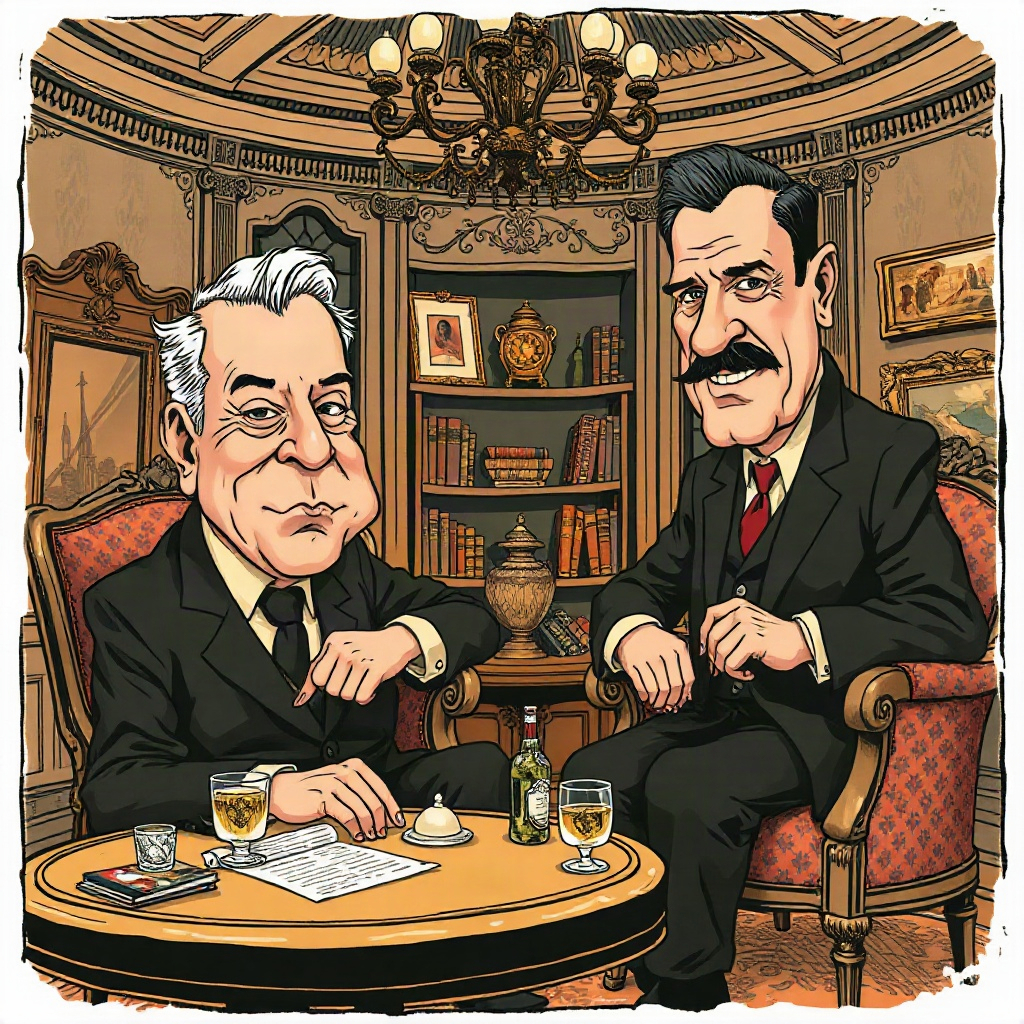
Count Gottfried von Bismarck · German aristocrat and London socialite
In the sprawling documentary record compiled across two decades of federal investigations, civil litigation, and journalistic inquiries into Jeffrey Epstein, few entries capture the decadent fringe of late twentieth-century European aristocracy quite like that of Count Gottfried von Bismarck. The German aristocrat, who died under tragic and scandalous circumstances in London in 2007, was among hundreds of prominent names inscribed in Epstein’s heavily scrutinized personal address book. While Bismarck’s name never surfaced in criminal indictments, grand jury transcripts, or victim depositions, his documented presence within Epstein’s orbit offers a distinct lens into how the American financier and his longtime associate Ghislaine Maxwell systematically integrated themselves into the most reckless and titled echelons of European high society.
Count Gottfried Alexander Leopold von Bismarck-Schönhausen was born into formidable historical pedigree as the great-great-grandson of Prince Otto von Bismarck, the Iron Chancellor who unified modern Germany. Raised between Germany and elite boarding schools, Bismarck arrived at Christ Church, Oxford, in the early 1980s, where he quickly earned a reputation for flamboyance, aristocratic eccentricity, and uninhibited consumption. That reputation curdled into international notoriety in June 1986, when Olivia Channon, the twenty-two-year-old daughter of British Cabinet minister Paul Channon, was found dead from a lethal cocktail of heroin and alcohol in Bismarck’s Oxford dormitory rooms. Although Bismarck was never charged with manslaughter, he was convicted of possessing cocaine and amphetamines, cementing his status in the British press as an emblem of a self-destructive, privileged demimonde.
The nexus between Bismarck and Epstein emerged not from Wall Street finance or institutional philanthropy, but through the London social circuit curated by Ghislaine Maxwell. Maxwell, the Oxford-educated daughter of disgraced media baron Robert Maxwell, operated as Epstein’s social gatekeeper following her father’s death in 1991. Maxwell moved fluidly through aristocratic, royal, and bohemian London circles, cultivating contacts ranging from Prince Andrew to titled European scions. Bismarck, who lived primarily in London after completing his studies, operated within the precise social orbit that Maxwell mined to provide Epstein with cultural cachet and elite European access. By the late 1990s, when Epstein was expanding his transatlantic network, Bismarck was a fixture of London's private members' clubs, gallery openings, and high-stakes social gatherings.
Related articles
Jeffrey Epstein and Prince Andrew, Duke of York
An investigative record of Prince Andrew's ties to Jeffrey Epstein, examining flight logs, Virginia Giuffre's allegations, and the royal fallout.
Read article →
Jeffrey Epstein and Sarah Ferguson, Duchess of York
Investigative overview of Sarah Ferguson's ties to Jeffrey Epstein, detailing financial transactions, public admissions, and unsealed records.
Read article →
Jeffrey Epstein and Princess Beatrice of York
Investigative report examining Princess Beatrice of York's documented connections to Jeffrey Epstein through Prince Andrew's social and royal circle.
Read article →
Jeffrey Epstein and Princess Eugenie of York
An investigative review of public records, court filings, and royal finances detailing Princess Eugenie's proximity to Jeffrey Epstein's network.
Read article →