Jeffrey Epstein &
Bernard Kouchner
Former French Foreign Minister, MSF Co-founder
Key Facts
Listed in Epstein's personal address book ('Black Book')
Documentary Connection
Palm Beach Police Evidence Records
No recorded flights on Epstein's private aircraft
Flight Manifests
FAA Flight Logs & Court Filings
Never charged, investigated, or named as a co-conspirator
Legal Status
Paris Prosecutor's Office / SDNY Records
Unverified beyond inclusion in collected contact directories
Nature of Connection
Investigative Public Record
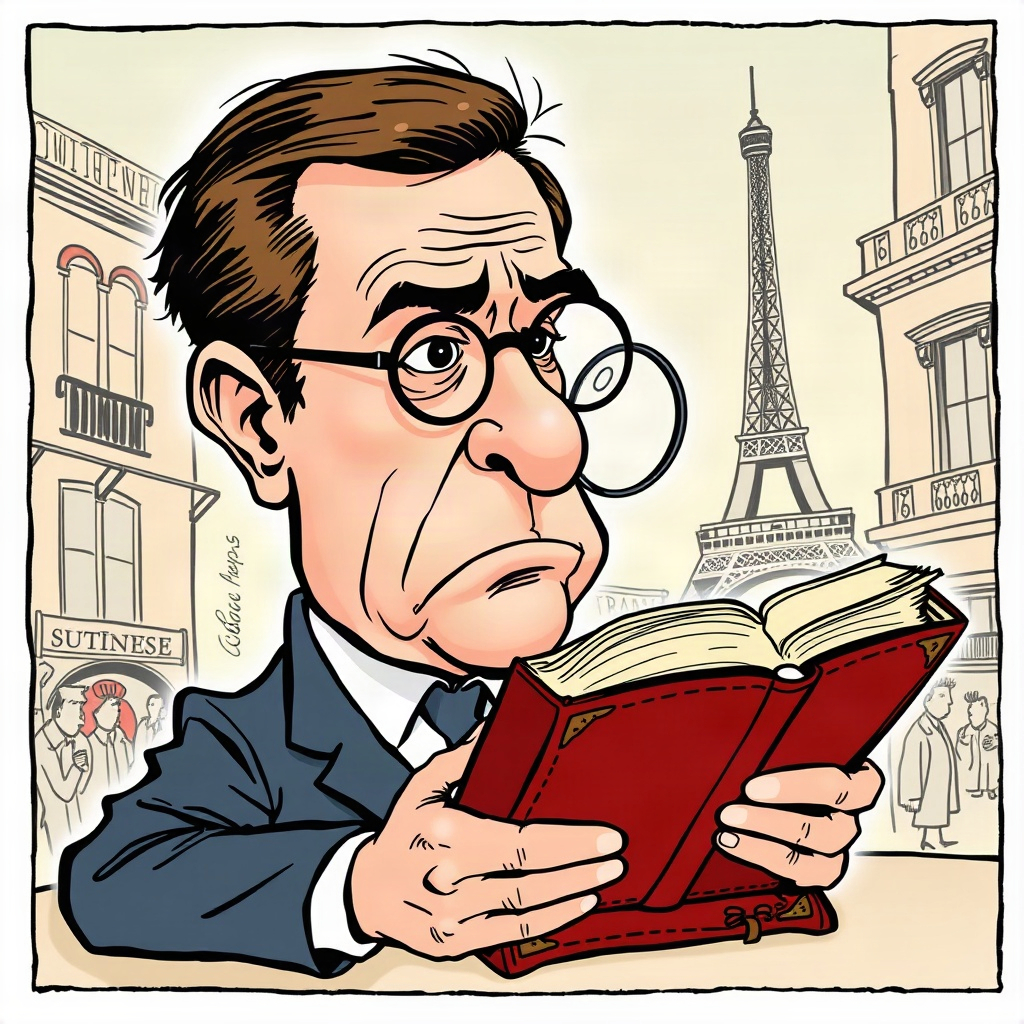
Bernard Kouchner · Former French Foreign Minister, MSF Co-founder
When federal agents arrested Jeffrey Epstein at Teterboro Airport in July 2019, the reverberations crossed the Atlantic, prompting French authorities and investigative journalists to scrutinize the financier’s longstanding ties to Paris. Epstein maintained an opulent apartment on Avenue Foch in the capital's sixteenth arrondissement, using it as a European hub for his modeling agency associates, elite parties, and political networking. In the fallout of his arrest and subsequent death, French media and judicial investigators began cataloging the prominent figures who populated Epstein's extensive address books. Among the most distinguished names in French public life to emerge in these records was Bernard Kouchner, the renowned physician, co-founder of Médecins Sans Frontières (Doctors Without Borders), and former Minister of Foreign and European Affairs under President Nicolas Sarkozy.
Bernard Kouchner is an internationally recognized figure whose public career spans decades of humanitarian interventionism, diplomacy, and ministerial appointments. First rising to prominence during the Nigerian Civil War in Biafra, Kouchner broke with traditional Red Cross neutrality to pioneer a new ethos of humanitarian advocacy, leading to the creation of Médecins Sans Frontières in 1971 and later Médecins du Monde. Transitioning from non-governmental leadership into statecraft, he served as France’s Minister of Health in the 1990s, the United Nations Special Representative to post-war Kosovo from 1999 to 2001, and ultimately France’s top diplomat between 2007 and 2010. Known in France as the champion of the "right to interfere" on humanitarian grounds, Kouchner occupied a unique intersection between moral authority, high politics, and international intellectual circles.
The public record establishing a connection between Kouchner and Epstein rests almost entirely on document evidence recovered from Epstein's private personal directories, colloquially known as the "Black Book." This directory—originally copied and offered for sale by Epstein’s former house manager Alfredo Rodriguez before being obtained by the Federal Bureau of Investigation and published in redacted form by Gawker in 2015—contains contact numbers and addresses for Kouchner. The listing recorded phone numbers associated with the French statesman, reflecting the meticulous manner in which Epstein and his administrative staff harvested the personal and professional contact details of senior diplomats, European politicians, and cultural luminaries.
Related articles

Jeffrey Epstein and Thorbjørn Jagland
Investigative report examining the diplomatic meetings between Jeffrey Epstein and former Norwegian Prime Minister Thorbjørn Jagland in 2013.
Read article →

Jeffrey Epstein and Terje Rød-Larsen
Investigative review of Norwegian diplomat Terje Rød-Larsen's ties to Jeffrey Epstein, detailing secret loans, institutional funding, and his resignation.
Read article →

Jeffrey Epstein and Mona Juul
Investigative report examining Norwegian diplomat Mona Juul's documented social ties to Jeffrey Epstein through her husband, Terje Rød-Larsen.
Read article →

Jeffrey Epstein and Andrés Pastrana
Investigative examination of former Colombian President Andrés Pastrana's documented flights on Jeffrey Epstein's aircraft and related unsealed records.
Read article →