Jeffrey Epstein &
Baroness Carmen Thyssen-Bornemisza
Spanish Art Collector and Philanthropist
Key Facts
Jeffrey Epstein's 97-page contact directory ('Little Black Book')
Document of Inclusion
Civil Court Filings (2015)
None identified in released flight manifests
Flight Log Presence
United States v. Maxwell Exhibit Records (2021)
No criminal allegations, civil claims, or victim testimonies implicate the Baroness
Nature of Allegations
SDNY Court Filings and FBI Reports
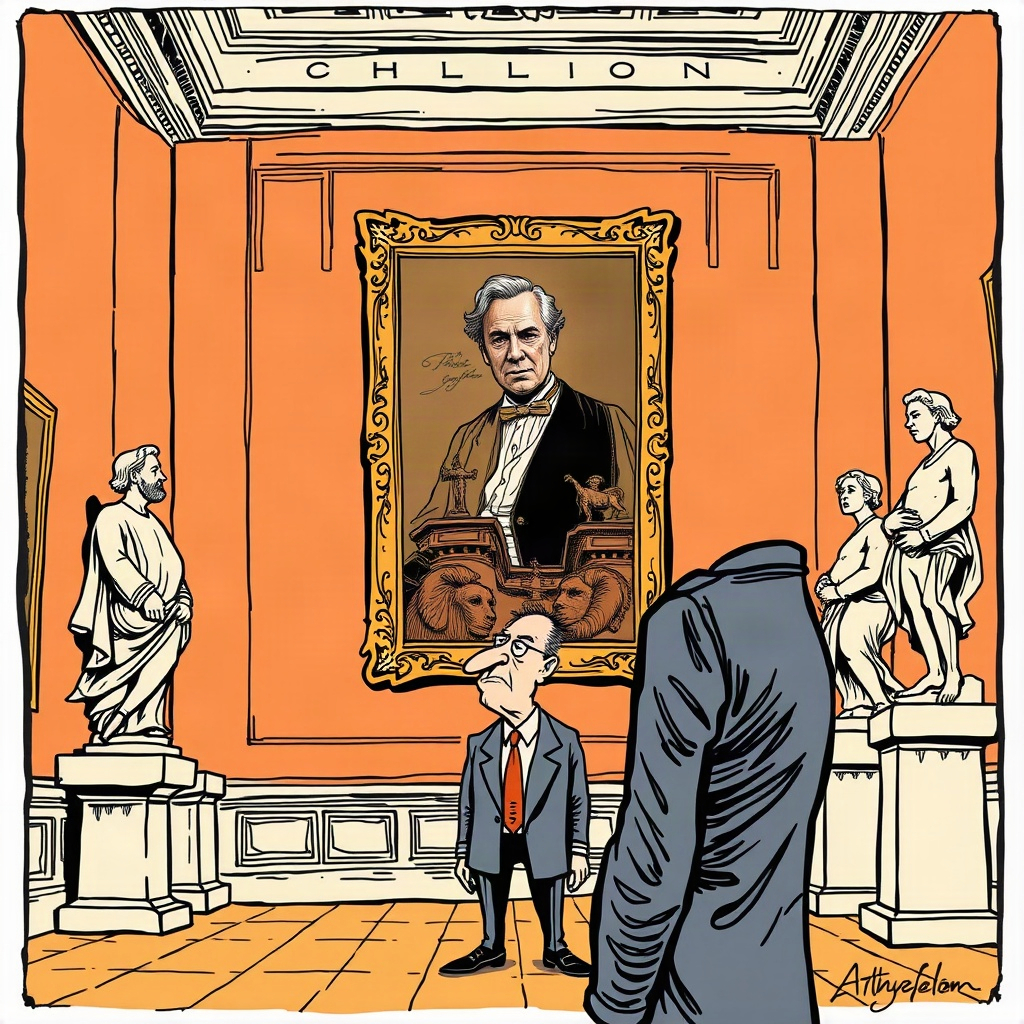
Baroness Carmen Thyssen-Bornemisza · Spanish Art Collector and Philanthropist
In the sprawling documentary record generated by federal prosecutions, civil depositions, and leaked personal files surrounding Jeffrey Epstein, few categories of documents have attracted as much public scrutiny as his curated address directories. Commonly referred to in investigative reporting as the little black book, these registries functioned as a comprehensive index of late-twentieth and early-twenty-first-century global wealth, aristocracy, politics, and culture. Among the European noble titles and cultural patrons recorded within these pages is Baroness Carmen Thyssen-Bornemisza, the prominent Spanish art collector, philanthropist, and widow of industrialist Baron Hans Heinrich Thyssen-Bornemisza. Her presence in Epstein’s files highlights the disgraced financier’s persistent efforts to anchor himself within the upper echelons of the international art market and continental high society, even as investigative records establish clear limits regarding the nature of their relationship.
Born María del Carmen Rosario Soledad Cervera y Fernández de la Guerra in Barcelona in 1943, Carmen Cervera first entered the public sphere as Miss Spain in 1961 before embarking on a career in acting. Her 1985 marriage to Baron Hans Heinrich Thyssen-Bornemisza, scion of the Thyssen industrial empire and custodian of one of the world’s most formidable private art collections, elevated her into the inner sanctum of global philanthropy and art collecting. Widely credited with persuading the Baron to locate his vast masterworks collection in Madrid—culminating in the 1992 opening and subsequent 1993 state purchase of the Museo Nacional Thyssen-Bornemisza—the Baroness became a central cultural figure in Spain and an internationally recognized patron of the arts. Following her husband’s death in 2002, she retained control over her own substantial private collection, maintaining properties across Europe and frequently moving through exclusive philanthropic circles.
Epstein’s contact information for Baroness Thyssen-Bornemisza surfaced publicly through the publication of his personal phone book, an internal directory compiled by his domestic staff and later obtained by federal investigators following a 2009 legal dispute involving a former Palm Beach house manager. Within the directory, entries under the Thyssen surname cataloged contact avenues, including telephone numbers and administrative liaison points associated with the Baroness and the family’s estate apparatus. The inclusion of such contact details was characteristic of Epstein’s operational methodology: his administrative staff maintained hundreds of entries for European aristocracy, financial magnates, and museum benefactors, often gathered from public directories, social exchanges at international galas, or introductions facilitated by mutual acquaintances.
Related articles
Jeffrey Epstein and Prince Andrew, Duke of York
An investigative record of Prince Andrew's ties to Jeffrey Epstein, examining flight logs, Virginia Giuffre's allegations, and the royal fallout.
Read article →
Jeffrey Epstein and Sarah Ferguson, Duchess of York
Investigative overview of Sarah Ferguson's ties to Jeffrey Epstein, detailing financial transactions, public admissions, and unsealed records.
Read article →
Jeffrey Epstein and Princess Beatrice of York
Investigative report examining Princess Beatrice of York's documented connections to Jeffrey Epstein through Prince Andrew's social and royal circle.
Read article →
Jeffrey Epstein and Princess Eugenie of York
An investigative review of public records, court filings, and royal finances detailing Princess Eugenie's proximity to Jeffrey Epstein's network.
Read article →