Key Facts
Contact entries for Ali Bongo in Epstein's personal address book seized by Palm Beach authorities
Documentary Evidence
Palm Beach Police Department Investigation (2006)
No documented flights showing Ali Bongo aboard Epstein's aircraft or Epstein landing in Gabon
Flight Log Records
FAA Pilot Manifests (1995–2013)
Shared luxury real estate footprint in the 16th arrondissement of Paris
Geographic Focal Point
Paris Public Prosecutor & PNF Filings
No criminal allegations or survivor testimonies connecting Bongo to Epstein's abuse network
Legal Status
SDNY Unsealed Filings (2024)
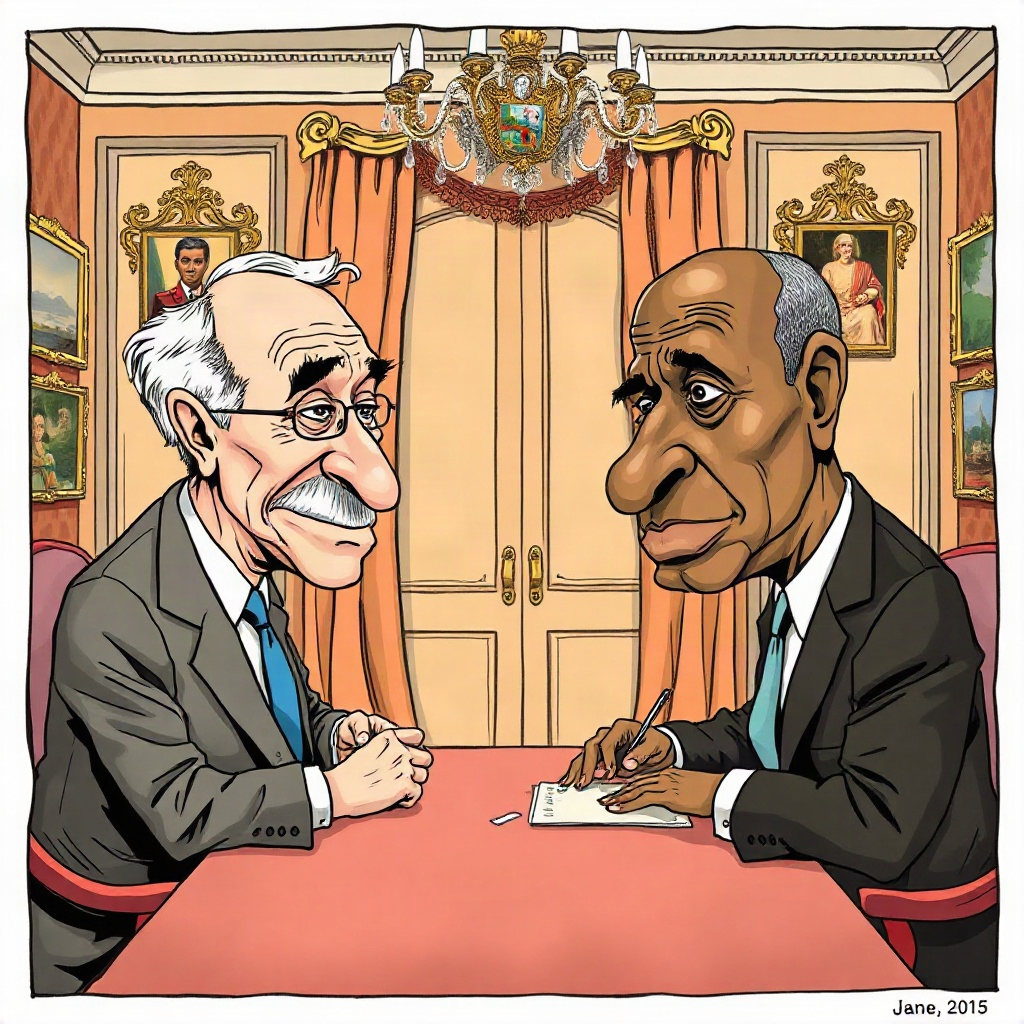
Ali Bongo Ondimba · Former President of Gabon
The expansive investigative record surrounding Jeffrey Epstein reveals a decades-long effort to assemble a rolodex spanning royalty, finance, academia, and foreign heads of state. Among the prominent international figures whose contact information was captured in Epstein’s personal records is Ali Bongo Ondimba, the former president of Gabon who governed the oil-rich Central African nation for fourteen years before his removal in an August 2023 military coup. Bongo’s presence within Epstein’s files illustrates the financier’s deliberate cultivation of foreign dignitaries, particularly those with deep ties to elite Parisian real estate and international diplomatic circles, even as public records distinguish between documented contact entries and direct involvement in Epstein’s criminal enterprise.
Ali Bongo Ondimba entered Gabon’s political hierarchy under his father, Omar Bongo, who ruled the country continuously from 1967 until his death in 2009. Educated in France, the younger Bongo served as Gabon’s Minister of Foreign Affairs in the early 1990s before assuming the pivotal post of Minister of National Defense from 1999 until 2009. Following his father’s death, Bongo secured the presidency in a disputed election, cementing a family dynasty that lasted over half a century. Throughout his tenure, Bongo moved effortlessly between African statecraft and European luxury enclaves, frequenting high-end private clubs, international summits, and diplomatic functions in Paris and London. It was within this rarefied transatlantic ecosystem that high-profile Western facilitators, including Epstein, frequently crossed paths with foreign leadership.
Concrete documentary evidence connecting Epstein to Bongo first entered the public sphere through the investigative files assembled by the Palm Beach Police Department during its 2005 to 2006 investigation into Epstein’s Florida residence. Among the items seized and later authenticated was Epstein’s bound personal directory, widely known as his 'black book.' This directory contained contact entries explicitly labeled for Ali Bongo during his tenure as Gabon’s defense minister, alongside listings for the Gabonese embassy and state offices. The entries detailed multiple direct phone lines and private contact points across Libreville and Paris, reflecting the meticulous cataloging Epstein maintained for political figures with whom he established or sought strategic relationships.
Related articles

Jeffrey Epstein and Thorbjørn Jagland
Investigative report examining the diplomatic meetings between Jeffrey Epstein and former Norwegian Prime Minister Thorbjørn Jagland in 2013.
Read article →
Jeffrey Epstein and Terje Rød-Larsen
Investigative review of Norwegian diplomat Terje Rød-Larsen's ties to Jeffrey Epstein, detailing secret loans, institutional funding, and his resignation.
Read article →
Jeffrey Epstein and Mona Juul
Investigative report examining Norwegian diplomat Mona Juul's documented social ties to Jeffrey Epstein through her husband, Terje Rød-Larsen.
Read article →

Jeffrey Epstein and Andrés Pastrana
Investigative examination of former Colombian President Andrés Pastrana's documented flights on Jeffrey Epstein's aircraft and related unsealed records.
Read article →