Key Facts
House manager and butler at Jeffrey Epstein's Palm Beach estate
Employment Role
Palm Beach Police Department Report (2006)
$50,000 for the annotated 'black book' and internal records
Attempted Sale Price
S.D. Fla. Criminal Indictment (2011)
One count of obstruction of justice under 18 U.S.C. § 1503
Criminal Conviction
U.S. v. Rodriguez Plea Agreement (2011)
18 months in federal custody
Prison Sentence
S.D. Fla. Sentencing Order (2012)
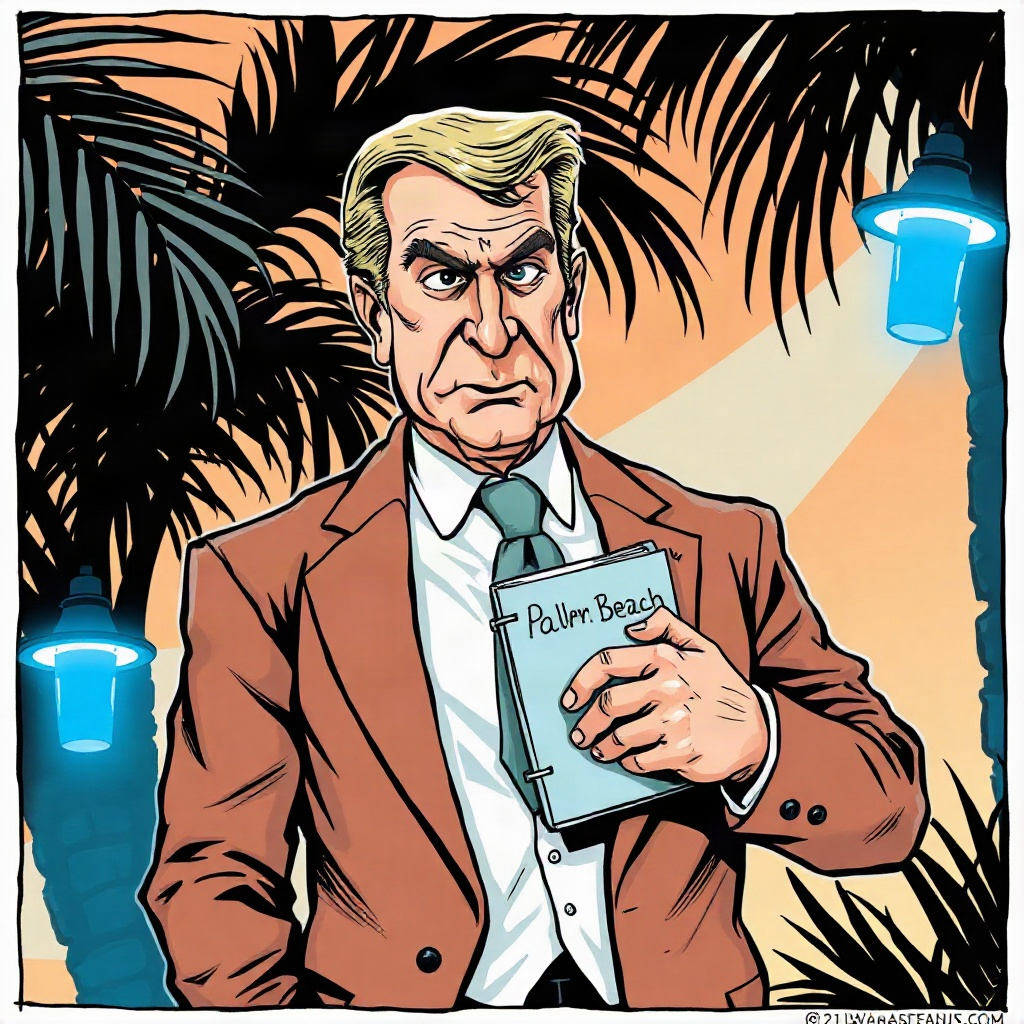
Alfredo Rodriguez · Former Palm Beach house manager
In the extensive web of personal staff, domestic contractors, and retainers who maintained Jeffrey Epstein’s private residences, few figures occupied as quietly consequential a role as Alfredo Rodriguez. Employed as the estate manager and butler at Epstein’s sprawling compound on El Brillo Way in Palm Beach, Florida, during the mid-2000s, Rodriguez was positioned at the operational center of the financier’s daily routines. While Epstein carefully curated an aura of impenetrable elite protection, Rodriguez lived behind the closed doors where the physical operations of the household unfolded. Public records, police files, and federal court dockets reveal that Rodriguez was far more than a passive domestic worker; he ultimately became a central actor in the preservation and attempted monetization of the evidentiary documents that would define the Epstein scandal for decades.
Rodriguez began working for Epstein around 2004, a pivotal window during which the Palm Beach Police Department initiated its confidential investigation into reports of minor girls entering and exiting the residence. According to initial law enforcement interview summaries, domestic staff members were subject to rigid operational rules, strict nondisclosure agreements, and constant surveillance. Palm Beach detectives led by Detective Joseph Recarey frequently sought access to household employees, recognizing that service staff held direct observational knowledge of the guests, the scheduling apparatus, and the financial disbursements handled inside the home. Although early police records show staff were often guarded or instructed by Epstein’s legal team not to volunteer information, Rodriguez was quietly observing the household's administrative machinery.
As local and federal scrutiny intensified between 2005 and 2007, culminating in Epstein’s controversial 2008 non-prosecution agreement with federal prosecutors, domestic employees faced an uncertain landscape. Behind the scenes, Rodriguez had taken possession of a critical archive: Jeffrey Epstein’s personal, spiral-bound address directory, colloquially dubbed the little black book, along with handwritten notes, phone logs, and internal contact sheets. Unlike standard copies of the directory, the version in Rodriguez’s custody featured extensive handwritten annotations. Rodriguez had systematically highlighted specific names, annotated entries with operational details, and labeled certain female contacts with identifying notes, effectively creating an interpretive key to Epstein's social network and recruitment practices.
Related articles
Jeffrey Epstein and Great St. James
Investigative report on Jeffrey Epstein's 2016 purchase of Great St. James, illicit island development, regulatory battles, and USVI civil litigation.
Read article →
Jeffrey Epstein and 49 East 66th Street
An investigative review of 49 East 66th Street, examining public records, Epstein contact archives, and Upper East Side real estate connections.
Read article →
Jeffrey Epstein and 22 Avenue Foch
Investigative report on Jeffrey Epstein's luxury apartment at 22 Avenue Foch in Paris, detailing police raids, survivor accounts, and legal fallout.
Read article →

Jeffrey Epstein and American Yacht Harbor
Investigative analysis of American Yacht Harbor in St. Thomas, the primary transit hub and staging ground for Jeffrey Epstein's private island.
Read article →