Jeffrey Epstein &
Alexander Lebedev
Russian oligarch and former politician
Key Facts
Alexander Lebedev does not appear on released Epstein flight manifests.
Flight Log Records
Federal Court Disclosures
Mutual social acquaintances in British politics and royalty, including Prince Andrew.
Primary Overlap
Investigative Press Reports
No joint financial ventures or contracts between Epstein and Lebedev have been documented.
Documented Business Ties
SDNY Unsealed Records
Examined under broader UK parliamentary inquiries into Russian influence in London society.
Intelligence Scrutiny
UK Parliament ISC Report (2020)
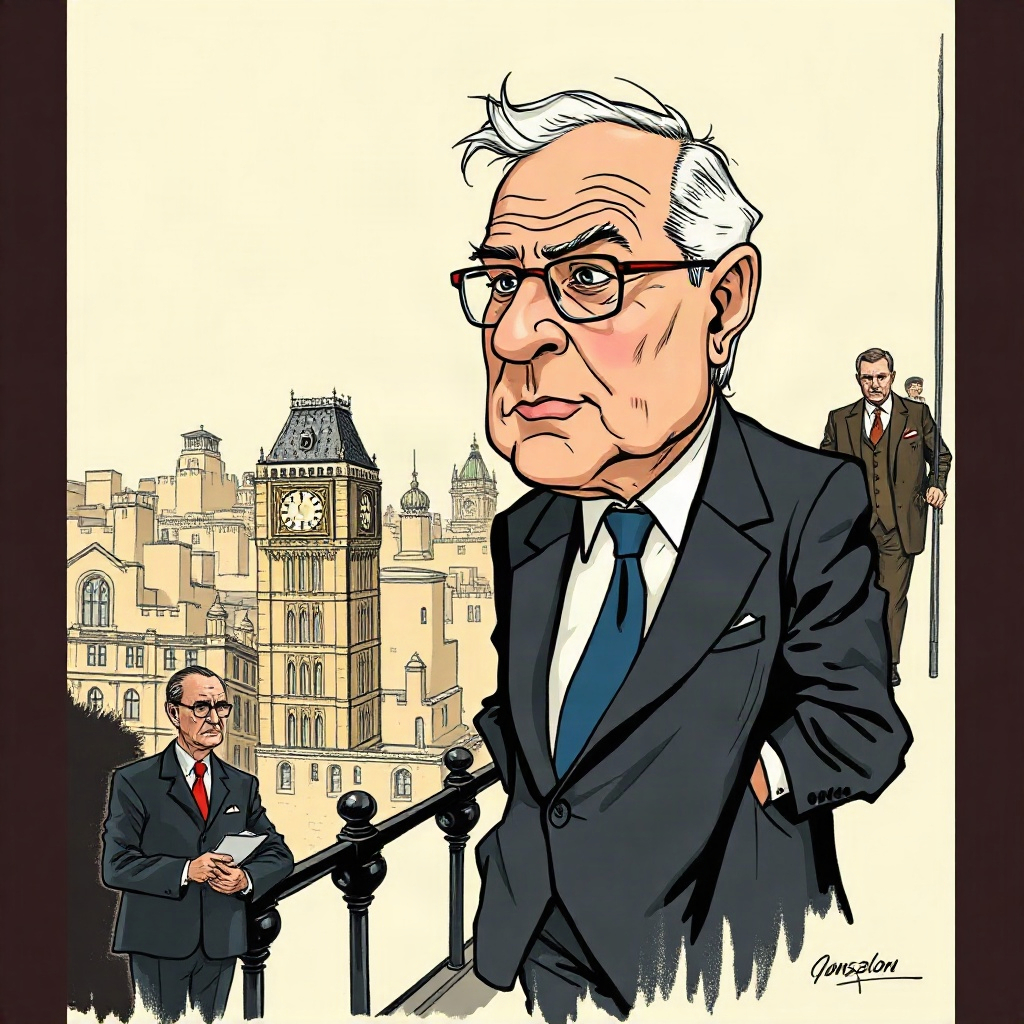
Alexander Lebedev · Russian oligarch and former politician
The intersection of international finance, intelligence services, and high-society networking formed the foundation of Jeffrey Epstein’s global influence operation. As investigative journalists and government inquiries have unraveled the late financier’s web of connections, attention has repeatedly turned to his relationships with prominent foreign figures, including Russian oligarchs and media proprietors. Among the names subjected to public scrutiny is Alexander Lebedev, a former Soviet foreign intelligence officer who transitioned into a post-communist banking magnate and later became a dominant figure in British media. While public interest has frequently conflated social overlap with complicity, an examination of court records, government dossiers, flight manifests, and journalistic reporting reveals a nuanced picture of tangential social intersections rather than substantiated operational collaboration.
Alexander Yevgenievich Lebedev built an extraordinary career path that made him a central figure in international geopolitical analysis. Stationed in London from 1988 to 1992 under diplomatic cover for the KGB’s First Chief Directorate, Lebedev monitored international financial systems before leaving the intelligence apparatus amid the collapse of the Soviet Union. In the 1990s, he amassed substantial wealth through Russia’s National Reserve Bank, investing heavily in securities, aviation, and infrastructure. Seeking influence beyond Moscow, Lebedev and his son, Evgeny Lebedev, embarked on high-profile acquisitions in the United Kingdom, purchasing London’s Evening Standard in 2009 and The Independent in 2010. Their ascendancy into the upper echelons of British political and cultural life brought them into close proximity with British royalty, senior politicians, and the transnational social circuit that Jeffrey Epstein meticulously exploited.
Epstein’s operational blueprint relied on infiltrating elite circles where access to capital, state power, and reputation laundering converged. In the United Kingdom, Epstein’s most prominent conduit was Prince Andrew, Duke of York, whose longstanding association with the convicted sex offender drew severe global condemnation. Concurrently, Prince Andrew and other prominent British figures, including former cabinet minister Peter Mandelson, maintained well-publicized social relationships with the Lebedev family, attending lavish gatherings at Alexander and Evgeny Lebedev’s properties, such as the Palazzo Terranova in Umbria, Italy, and Stud House in Hampton Court. These mutual social nodes fueled intense speculation regarding whether Epstein’s orbit directly intersected with Alexander Lebedev’s sphere of influence during the 2000s and 2010s.
Related articles
Jeffrey Epstein and Thorbjørn Jagland
Investigative report examining the diplomatic meetings between Jeffrey Epstein and former Norwegian Prime Minister Thorbjørn Jagland in 2013.
Read article →
Jeffrey Epstein and Terje Rød-Larsen
Investigative review of Norwegian diplomat Terje Rød-Larsen's ties to Jeffrey Epstein, detailing secret loans, institutional funding, and his resignation.
Read article →

Jeffrey Epstein and Mona Juul
Investigative report examining Norwegian diplomat Mona Juul's documented social ties to Jeffrey Epstein through her husband, Terje Rød-Larsen.
Read article →

Jeffrey Epstein and Andrés Pastrana
Investigative examination of former Colombian President Andrés Pastrana's documented flights on Jeffrey Epstein's aircraft and related unsealed records.
Read article →